Gut Health and Your Immune System: How 70% of Immunity Lives in Your Gut
The Surprising Connection Between Your Gut and Immunity
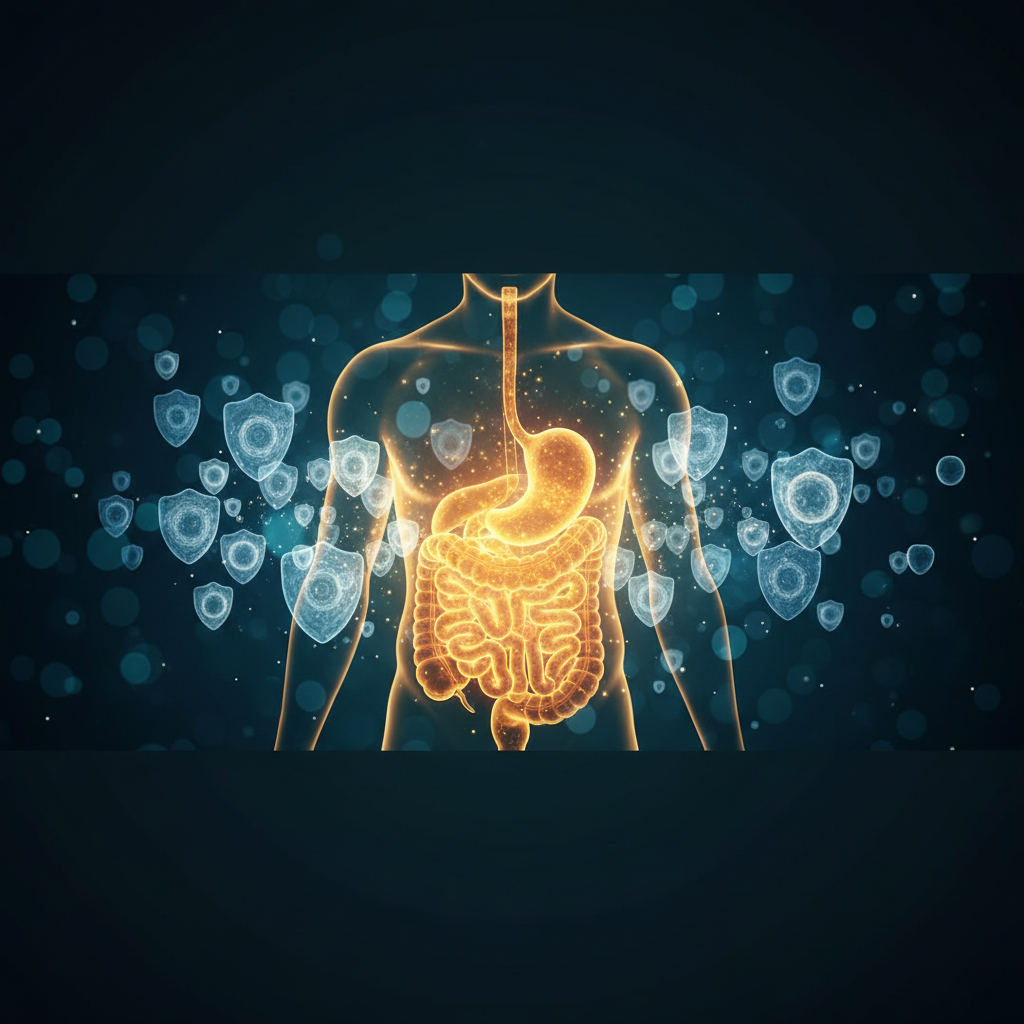
Here's a fact that surprises most people: roughly 70% of your entire immune system resides in your gut. That's right — the same digestive tract responsible for breaking down your meals is also the command center for your body's defense against illness. This collection of immune tissue, known as the gut-associated lymphoid tissue (GALT), makes your digestive system the largest immune organ in your body.
If you've been struggling with frequent colds, lingering infections, or seasonal allergies that seem to worsen every year, the root cause may not be what you think. Instead of reaching for another vitamin C supplement, research suggests the real solution might start with healing your gut.
What Is GALT and Why Does It Matter?
GALT stands for Gut-Associated Lymphoid Tissue, and it's an intricate network of immune cells lining your intestinal walls. Think of it as a highly trained security team stationed along the 30-foot length of your intestinal tract. This tissue contains specialized immune cells — including T cells, B cells, and macrophages — that constantly monitor everything passing through your digestive system.
When functioning properly, GALT distinguishes between harmless substances (like nutrients from food) and genuine threats (like pathogenic bacteria or viruses). It launches targeted immune responses against real dangers while maintaining tolerance to beneficial compounds. When GALT is compromised — often due to poor gut health — this discrimination breaks down, leading to overactive immune responses, chronic inflammation, and increased vulnerability to infections.
How Gut Bacteria Train Your Immune Cells
Your gut microbiome — the trillions of bacteria living in your digestive tract — plays an active role in educating and regulating your immune system. From the moment you're born, these microorganisms begin training your immune cells to respond appropriately to threats.
Research published in leading immunology journals has shown that gut bacteria communicate directly with immune cells through chemical signals called metabolites. Short-chain fatty acids (SCFAs), produced when gut bacteria ferment dietary fiber, are among the most important of these signals. SCFAs like butyrate, propionate, and acetate help regulate inflammation, strengthen the intestinal barrier, and promote the development of regulatory T cells — the immune cells responsible for preventing your body from attacking its own tissues.
When your microbiome is diverse and balanced, these signals keep your immune system finely tuned. When it's disrupted — a state called dysbiosis — the communication breaks down, and your immunity suffers.
The Leaky Gut to Immune Dysfunction Pathway
If you're familiar with leaky gut syndrome, you already understand how a damaged intestinal lining allows undigested food particles, toxins, and bacteria to escape into the bloodstream. What many people don't realize is how directly this impacts immune function.
When these foreign substances enter the bloodstream through a permeable gut lining, your immune system goes on high alert. It mounts inflammatory responses against these "invaders," producing antibodies and inflammatory cytokines. Over time, this constant state of immune activation leads to chronic low-grade inflammation — the kind linked to autoimmune conditions, allergies, and a weakened ability to fight actual infections.
Studies suggest that individuals with increased intestinal permeability show elevated markers of systemic inflammation and reduced effectiveness of their adaptive immune responses. In other words, a leaky gut doesn't just cause digestive issues — it fundamentally undermines your ability to stay healthy.
Signs Your Immune System Is Suffering Due to Poor Gut Health
How can you tell if your gut is dragging down your immunity? Watch for these warning signs:
- Frequent colds and infections: If you catch every bug that goes around, your gut-immune connection may be compromised.
- Slow wound healing: Your immune system drives tissue repair. When it's overtaxed by gut-driven inflammation, healing slows noticeably.
- Worsening seasonal allergies: An imbalanced gut microbiome can cause your immune system to overreact to harmless environmental triggers like pollen and dust.
- Recurring yeast or urinary infections: These suggest an immune system that can't keep opportunistic organisms in check.
- Chronic fatigue: When your immune system is constantly fighting gut-related inflammation, energy levels plummet.
- New food sensitivities: A leaky gut allows partially digested proteins into the bloodstream, prompting immune reactions to foods you previously tolerated.
7 Evidence-Based Ways to Boost Immunity Through Gut Health
1. Eat a Diverse, Fiber-Rich Diet
Dietary diversity is the single most important factor for a healthy microbiome. Research suggests that people who eat more than 30 different plant foods per week have significantly more diverse gut bacteria than those who eat fewer than 10. Focus on vegetables, fruits, legumes, whole grains, nuts, and seeds to feed your beneficial bacteria the fiber they need to produce immune-supporting SCFAs.
2. Include Fermented Foods Daily
A landmark Stanford study found that people who ate six servings of fermented foods daily for 10 weeks showed increased microbial diversity and reduced markers of inflammation. Add yogurt, kefir, sauerkraut, kimchi, miso, or kombucha to your daily routine to introduce beneficial bacteria directly into your gut.
3. Prioritize Prebiotic Foods
Prebiotics are the specialized fibers that feed your beneficial gut bacteria. Garlic, onions, leeks, asparagus, bananas, and oats are excellent sources. By nourishing the good bacteria already present in your gut, prebiotics help maintain the microbial balance your immune system depends on.
4. Manage Stress Actively
Chronic stress dramatically alters gut microbiome composition and increases intestinal permeability. The gut-brain axis means that psychological stress directly impacts gut barrier function and immune regulation. Meditation, deep breathing exercises, yoga, and regular time in nature have all been shown to positively influence gut microbial diversity.
5. Get Quality Sleep
Sleep deprivation disrupts the gut microbiome within just two days, according to research. Your gut bacteria follow circadian rhythms, and irregular sleep patterns throw off their balance. Aim for 7–9 hours of consistent, quality sleep to support both gut health and immune function.
6. Optimize Vitamin D Levels
Vitamin D plays a critical role in both gut barrier integrity and immune cell function. Research suggests that vitamin D deficiency is associated with increased intestinal permeability and reduced production of antimicrobial peptides in the gut. Get regular sunlight exposure, and consider supplementation if your levels are low — especially during winter months.
7. Exercise Regularly (but Don't Overdo It)
Moderate exercise has been shown to increase microbiome diversity and boost the production of anti-inflammatory SCFAs. However, excessive intense exercise can actually increase intestinal permeability. Aim for 150 minutes of moderate activity per week — walking, cycling, swimming, or yoga are all excellent choices.
Supplements That Support Both Gut and Immune Function
While a whole-foods diet should always be your foundation, certain supplements can provide targeted support for the gut-immune connection:
- Multi-strain probiotics: Look for formulations containing Lactobacillus and Bifidobacterium strains, which have the strongest evidence for immune support.
- Zinc: Essential for immune cell development and gut barrier maintenance. Research suggests that even mild zinc deficiency impairs immune function.
- Vitamin C: Supports the intestinal barrier and enhances the function of various immune cells, including natural killer cells and neutrophils.
- Elderberry: Rich in polyphenols that feed beneficial gut bacteria while also providing direct antiviral properties.
- L-Glutamine: The primary fuel source for intestinal cells, L-glutamine helps repair and maintain a strong gut lining — the first line of immune defense.
Preparing Your Gut for Cold and Flu Season
Instead of waiting until you're already sick, take a proactive approach by strengthening your gut before cold and flu season arrives. Start increasing your fermented food intake 6–8 weeks before the season typically begins. Gradually boost your fiber intake to support SCFA production. Consider adding a high-quality probiotic supplement with clinically studied immune-supporting strains.
Remember: a resilient immune system isn't built overnight. It's the result of consistent, gut-friendly habits maintained over time. By treating your gut as the immune organ it truly is, you're investing in year-round protection against illness.
The Bottom Line
Your gut health and immune function are inseparable. The 70% of your immune system living in your gut depends on a balanced microbiome, an intact intestinal barrier, and proper communication between gut bacteria and immune cells. By prioritizing gut-healing foods, managing stress, sleeping well, and supporting your microbiome with targeted supplements, you can build an immune system that's truly prepared to protect you — from the inside out.