Leaky Gut Syndrome Symptoms: A Complete Guide to Recognizing the Condition
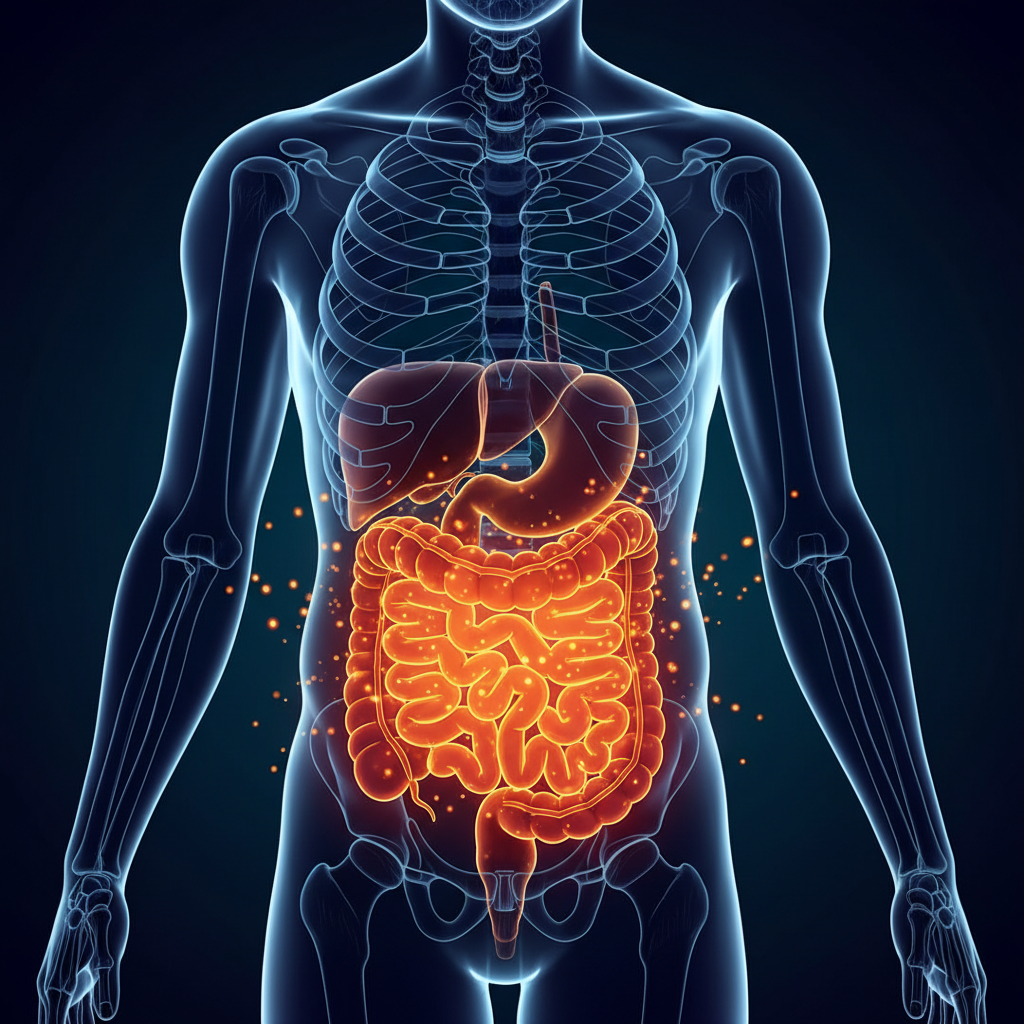
Why Leaky Gut Syndrome Is So Hard to Recognize
Leaky gut syndrome is one of the most misunderstood conditions in modern health. Unlike a broken bone or a clear-cut infection, its symptoms don't point to a single obvious problem. Instead, leaky gut syndrome creates a cascade of seemingly unrelated issues across your entire body — from your digestive tract to your skin, brain, and immune system. This is precisely why so many people live with it for years without ever connecting the dots.
The challenge with recognizing leaky gut syndrome symptoms is that they overlap with dozens of other conditions. Fatigue could be stress. Bloating could be a food intolerance. Joint pain could be aging. But when you experience several of these symptoms simultaneously — and they persist despite standard treatments — leaky gut syndrome deserves serious consideration.
Understanding the Symptom Categories
To make sense of leaky gut syndrome symptoms, it helps to organize them into categories. When the intestinal barrier becomes compromised, it triggers problems in three distinct waves: digestive symptoms (the most direct), systemic inflammation symptoms (as toxins enter the bloodstream), and immune-related symptoms (as the immune system goes into overdrive). Most people experience symptoms across all three categories.
Digestive Symptoms: The First Wave
Since leaky gut begins in the intestinal tract, digestive symptoms are typically the earliest to appear — though many people dismiss them as "normal" or attribute them to diet alone.
Chronic Bloating and Gas
Persistent bloating that doesn't resolve with dietary changes is one of the hallmark symptoms of leaky gut syndrome. When the intestinal barrier is compromised, bacterial overgrowth in the small intestine (SIBO) often follows. These misplaced bacteria ferment foods prematurely, producing excessive gas. If you feel bloated after nearly every meal regardless of what you eat, this is a red flag worth investigating.
Irregular Bowel Habits
Leaky gut rarely presents as simple constipation or simple diarrhea. Instead, many sufferers experience alternating patterns — constipation for several days followed by loose stools, or unpredictable urgency. This instability reflects the broader disruption to digestive function that occurs when the gut lining is compromised.
Food Sensitivities That Seem to Multiply
This is one of the most telling symptoms. When your intestinal barrier is intact, large food proteins are broken down completely before absorption. With a permeable gut lining, partially digested proteins slip through into the bloodstream, where the immune system tags them as threats. The result is an ever-growing list of foods that trigger reactions — gluten, dairy, eggs, soy, and others that you may have eaten without issues for decades.
Persistent Abdominal Discomfort
A low-grade, chronic discomfort or tenderness in the abdominal area — not quite pain, but a constant awareness that something isn't right — is commonly reported. This differs from the acute pain of food poisoning or appendicitis. It's more of a persistent unease that becomes your new baseline.
Systemic Inflammation Symptoms: The Second Wave
When undigested particles and bacterial toxins (particularly lipopolysaccharides, or LPS) cross through the damaged gut lining and enter the bloodstream, they trigger widespread inflammatory responses. These systemic symptoms often appear weeks or months after digestive symptoms begin, and they're the ones that send most people searching for answers.
Chronic Fatigue and Brain Fog
The fatigue associated with leaky gut syndrome isn't ordinary tiredness that sleep can fix. It's a deep, bone-level exhaustion that persists even after a full night's rest. Research suggests this is driven by the immune system's constant activation in response to gut-derived toxins circulating in the blood. Your body is essentially fighting an invisible war 24/7, and that consumes enormous energy.
Brain fog — difficulty concentrating, poor memory recall, and a general feeling of mental cloudiness — accompanies this fatigue in most cases. Inflammatory cytokines produced in response to leaky gut cross the blood-brain barrier and directly impair cognitive function.
Joint Pain and Muscle Aches
Unexplained joint pain, particularly in the knees, hands, and shoulders, is a frequently overlooked leaky gut symptom. When immune complexes formed in response to gut-derived antigens deposit in joint tissues, they cause localized inflammation. Studies have found that many patients diagnosed with "early arthritis" or "non-specific joint pain" show markers of increased intestinal permeability.
Headaches and Migraines
Research increasingly links gut permeability to both tension headaches and migraines. The inflammatory mediators released in response to leaky gut can trigger vasodilation and neuroinflammation — two key mechanisms behind headache disorders. If you've noticed your headaches worsening alongside digestive issues, the gut-head connection is worth exploring.
Mood Disturbances
Anxiety, depression, and irritability that seem disproportionate to your circumstances may have roots in your gut. The gut produces approximately 90% of your body's serotonin, and when the intestinal environment is disrupted, serotonin production suffers. Add in the neuroinflammatory effects of circulating endotoxins, and it's clear why mental health often deteriorates alongside gut health.
Immune-Related Symptoms: The Third Wave
The immune system is deeply entwined with gut barrier function. When leaky gut persists, immune dysfunction follows — sometimes subtly, sometimes dramatically.
Frequent Infections
A weakened gut barrier diverts immune resources away from pathogen defense. If you're catching every cold and flu that circulates, recovering slowly from minor illnesses, or dealing with recurring yeast infections, your immune system may be overwhelmed by the constant assault of gut-derived antigens.
Autoimmune Flare-Ups
This is perhaps the most serious consequence of long-standing leaky gut syndrome. Research published in major autoimmune journals has demonstrated that increased intestinal permeability precedes the development of several autoimmune conditions, including Hashimoto's thyroiditis, rheumatoid arthritis, type 1 diabetes, and celiac disease. If you have an existing autoimmune condition that's worsening or if autoimmune diseases run in your family, gut permeability should be assessed.
Skin Conditions
Eczema, psoriasis, acne, and rosacea have all been linked to increased intestinal permeability in clinical research. The gut-skin axis means that inflammation originating in a damaged gut often manifests visibly on the skin. Many dermatologists now consider gut health as part of their diagnostic workup for chronic, treatment-resistant skin conditions.
Seasonal Allergies and Histamine Intolerance
Worsening seasonal allergies or a new sensitivity to high-histamine foods (aged cheese, wine, fermented foods, cured meats) can signal leaky gut. When the gut barrier fails, histamine-producing bacteria proliferate while the enzyme that breaks down histamine (diamine oxidase, or DAO) decreases. The result is a histamine overload that amplifies allergic responses to otherwise harmless environmental triggers.
The Symptom Cluster Pattern
What distinguishes leaky gut syndrome from isolated health issues is the cluster pattern. It's not one symptom — it's the combination. A typical leaky gut presentation might look like this:
- Chronic bloating + new food sensitivities (digestive)
- Persistent fatigue + brain fog + joint aches (systemic inflammation)
- Worsening allergies + recurring skin issues (immune dysfunction)
If you recognize yourself in three or more symptoms spanning at least two of these categories, it's worth pursuing further evaluation. No single symptom confirms leaky gut, but the cluster — especially one that resists standard treatments — is a strong indicator.
When to Seek Professional Help
While mild digestive discomfort can often be addressed through dietary changes and gut-supportive supplements, certain symptom combinations warrant professional evaluation:
- Rapid weight loss or gain without dietary changes
- Blood in stool — always requires medical evaluation to rule out other conditions
- Severe, worsening food reactions that limit your diet to fewer than 10 foods
- Symptoms of autoimmune disease such as persistent joint swelling, thyroid dysfunction, or unexplained rashes
- Mental health changes including severe anxiety or depression
A functional medicine practitioner or integrative gastroenterologist can order specific tests — including the lactulose-mannitol test, zonulin antibodies, and comprehensive stool analysis — to assess intestinal permeability and guide a targeted healing protocol.
The Path Forward
Recognizing leaky gut syndrome symptoms is the critical first step toward healing. The condition is real, it's increasingly validated by research, and most importantly — it's reversible. By identifying the pattern of symptoms you're experiencing, you can work with a knowledgeable practitioner to confirm the diagnosis and begin a structured healing protocol that addresses the root cause rather than masking individual symptoms.
Your body has been sending you signals. The bloating, the fatigue, the brain fog, the skin issues — they're not separate problems. They're one problem with many faces. And once you understand that, healing becomes not just possible, but achievable.