Leaky Gut Meaning: What It Actually Is, What Causes It, and Why It Matters
What Does "Leaky Gut" Actually Mean?
The term "leaky gut" sounds almost too simple to be a real medical condition — and that's part of the problem. For years, many conventional doctors dismissed it as pseudoscience or a catch-all invented by alternative health practitioners. But the science has caught up. Today, "increased intestinal permeability" — the medical term for leaky gut — is a recognized physiological phenomenon studied in prestigious research institutions worldwide.
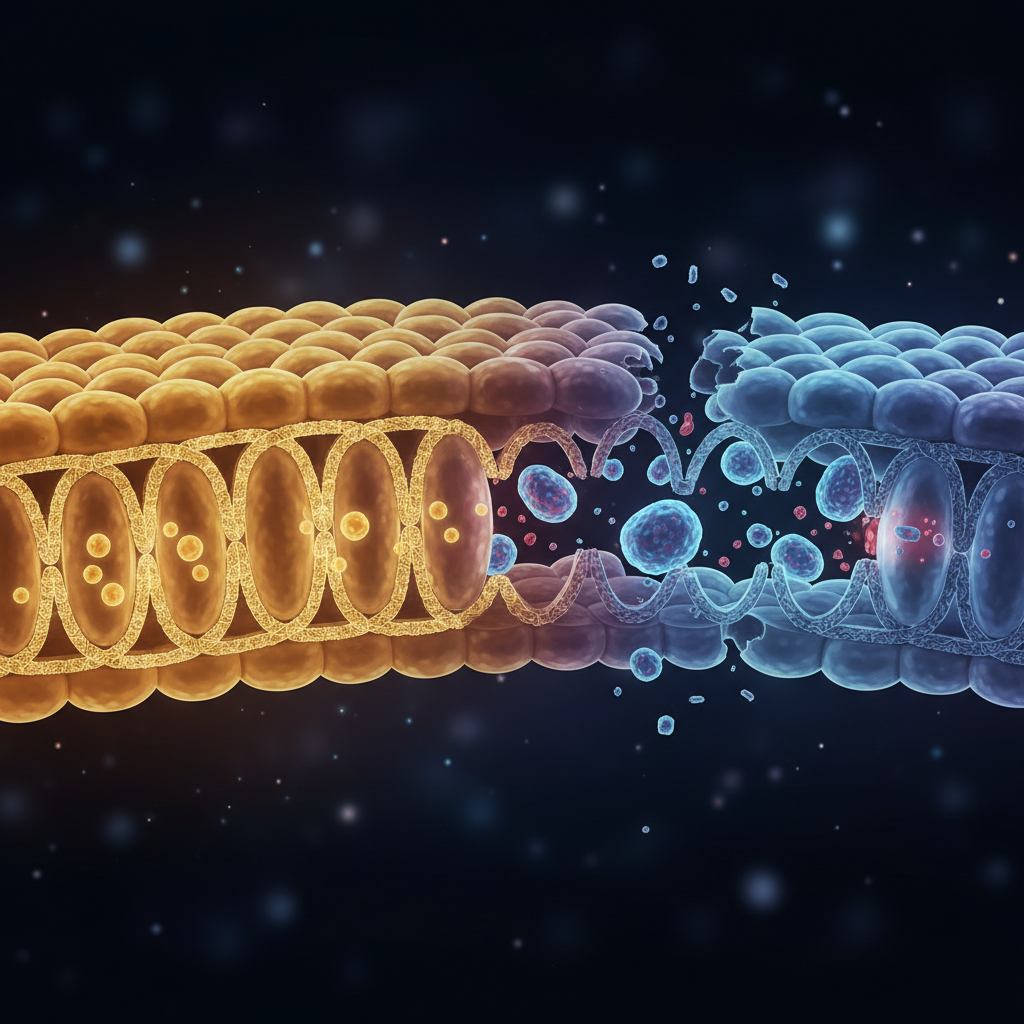
So what does leaky gut actually mean? In the simplest terms, it means your intestinal lining has become more porous than it should be, allowing substances to pass through that normally wouldn't. To understand why this matters, you need to understand what your gut lining is supposed to do — and what happens when it fails.
Your Gut Lining: The Body's Most Important Barrier
Your small intestine is lined with a single layer of specialized cells called enterocytes. These cells are joined together by structures called tight junctions — microscopic protein complexes that act like selective gates between cells. When functioning properly, this barrier performs an extraordinary balancing act:
- It absorbs nutrients — vitamins, minerals, amino acids, fatty acids, and sugars pass through the enterocytes into your bloodstream to fuel every cell in your body.
- It blocks harmful substances — undigested food particles, pathogenic bacteria, toxins, and other large molecules are kept inside the intestinal tract, where they can be safely eliminated.
This barrier covers approximately 4,000 square feet of surface area — about the size of a tennis court. It's just one cell thick. And it replaces itself entirely every 3 to 5 days. The fact that something this thin and rapidly regenerating works as well as it does is one of the most remarkable feats of human biology.
When the Barrier Breaks Down
Leaky gut occurs when the tight junctions between enterocytes loosen and widen. Instead of tightly sealed gates that only open for properly digested nutrients, they become gaps that allow larger, potentially harmful molecules to pass through.
The key molecule involved in this process is zonulin — a protein discovered by Dr. Alessio Fasano at Harvard Medical School. Zonulin acts as a master regulator of tight junction permeability. When zonulin levels rise, tight junctions open wider. Certain triggers cause excessive zonulin release, leading to the increased permeability we call leaky gut.
Once the barrier is breached, a cascade of problems begins:
- Undigested food particles enter the bloodstream. Your immune system doesn't recognize these partially broken-down proteins and treats them as foreign invaders, creating antibodies against them. This is how food sensitivities develop.
- Bacterial toxins cross over. Lipopolysaccharides (LPS) — components of bacterial cell walls — are particularly harmful when they enter the bloodstream. Even small amounts trigger significant inflammatory immune responses.
- Chronic inflammation develops. The constant influx of foreign material keeps the immune system in a state of perpetual activation, producing inflammatory cytokines that circulate throughout the body and damage tissues far from the gut itself.
What Causes Leaky Gut?
Leaky gut doesn't happen overnight. It develops through sustained exposure to factors that damage the intestinal lining or dysregulate tight junction function. Research has identified several primary causes:
Dietary Factors
Gluten is the most well-studied dietary trigger. Research by Dr. Fasano demonstrated that gluten triggers zonulin release in all humans — not just those with celiac disease. In people with genetic susceptibility, this effect is amplified and prolonged. Other dietary triggers include:
- Refined sugar and processed foods: Feed harmful gut bacteria and promote dysbiosis, which weakens the gut lining over time.
- Excessive alcohol: Directly damages enterocytes and disrupts tight junction proteins. Even moderate alcohol consumption increases intestinal permeability measurably.
- Industrial seed oils: Highly processed omega-6 oils promote inflammation when consumed in excess, contributing to gut lining degradation.
- Food additives: Emulsifiers, artificial sweeteners, and certain preservatives have been shown in studies to increase intestinal permeability.
Medications
NSAIDs (ibuprofen, aspirin, naproxen) are among the most common pharmaceutical causes of leaky gut. These drugs directly inhibit the enzymes that maintain the gut's protective mucus layer, and regular use can cause measurable increases in permeability within days. Other medications implicated include:
- Antibiotics: While sometimes medically necessary, antibiotics devastate beneficial gut bacteria, allowing opportunistic species to proliferate and damage the intestinal lining.
- Proton pump inhibitors (PPIs): Long-term use of acid-reducing medications alters gut pH, shifting the microbiome composition in ways that weaken barrier function.
Chronic Stress
The gut-brain axis means that psychological stress has direct physical effects on your gut lining. Cortisol, the primary stress hormone, increases intestinal permeability by degrading tight junction proteins. Research shows that people under chronic stress have measurably higher levels of intestinal permeability compared to relaxed controls — even when their diets are identical.
Gut Microbiome Imbalance (Dysbiosis)
Your gut bacteria play an active role in maintaining barrier integrity. Beneficial species like Akkermansia muciniphila produce mucus that protects the gut lining, while Faecalibacterium prausnitzii produces butyrate that fuels enterocyte repair. When these beneficial populations decline and harmful bacteria proliferate, the gut lining loses its microbial support system and begins to degrade.
Environmental Toxins
Pesticide residues (particularly glyphosate), heavy metals, and environmental pollutants have all been shown to damage tight junction integrity in laboratory studies. While the real-world impact varies by exposure level, cumulative toxin exposure over years may contribute to gradual barrier breakdown.
Why Leaky Gut Matters: The Downstream Effects
If leaky gut were just a digestive issue, it would be concerning but manageable. What makes it so significant is the chain reaction it triggers throughout the entire body:
The Autoimmune Connection
Research published in leading medical journals has established that increased intestinal permeability is present in virtually every autoimmune disease studied — including rheumatoid arthritis, lupus, multiple sclerosis, Hashimoto's thyroiditis, type 1 diabetes, and inflammatory bowel disease. Dr. Fasano's research proposes that leaky gut is one of three prerequisites for autoimmune disease development (along with genetic susceptibility and an environmental trigger).
Metabolic Health
Leaky gut has been linked to insulin resistance, obesity, and metabolic syndrome. The inflammatory cascade triggered by bacterial endotoxins (LPS) entering the bloodstream — a state called metabolic endotoxemia — interferes with insulin signaling and promotes fat storage, particularly visceral fat around the organs.
Mental Health
The gut-brain axis means that leaky gut doesn't just affect your body — it affects your mind. Inflammatory cytokines produced in response to increased permeability cross the blood-brain barrier and trigger neuroinflammation, which research has linked to depression, anxiety, and cognitive decline. Additionally, disrupted serotonin production in a compromised gut directly impacts mood regulation.
Nutritional Deficiencies
Paradoxically, a gut that's too permeable to large harmful molecules often becomes less efficient at absorbing the small beneficial ones. Damaged enterocytes have reduced absorptive capacity, leading to deficiencies in key nutrients like iron, vitamin B12, vitamin D, zinc, and magnesium — even when dietary intake is adequate.
Is Leaky Gut "Real Medicine"?
One question that persists is whether leaky gut is accepted by mainstream medicine. The answer is nuanced. The physiological phenomenon of increased intestinal permeability is universally accepted — it can be measured through validated laboratory tests, it's been demonstrated in thousands of peer-reviewed studies, and it's a recognized feature of conditions like celiac disease, Crohn's disease, and type 1 diabetes.
Where debate remains is around the concept of leaky gut as a standalone condition or as a cause (rather than consequence) of other diseases. Conventional gastroenterology generally views increased permeability as a feature of established diseases, while integrative and functional medicine practitioners view it as an early-stage condition that can be identified and reversed before downstream diseases develop.
Regardless of which perspective resonates with you, the practical takeaway is the same: maintaining a healthy intestinal barrier is critical to overall health, and the lifestyle factors that support barrier integrity — whole foods, stress management, adequate sleep, and a diverse microbiome — benefit everyone.
The Bottom Line
Leaky gut means your intestinal barrier has lost its selectivity — it's letting through substances that should stay contained within the digestive tract. This isn't a vague wellness buzzword; it's a measurable physiological state with documented consequences for immune function, metabolism, mental health, and overall wellbeing. Understanding what leaky gut means is the essential foundation for making informed decisions about prevention and healing. The good news is that the gut lining regenerates every few days — which means that with the right interventions, repair is always possible.