How to Do a Natural Gut Reset: A 7-Day Diet Plan to Restore Your Digestive Health
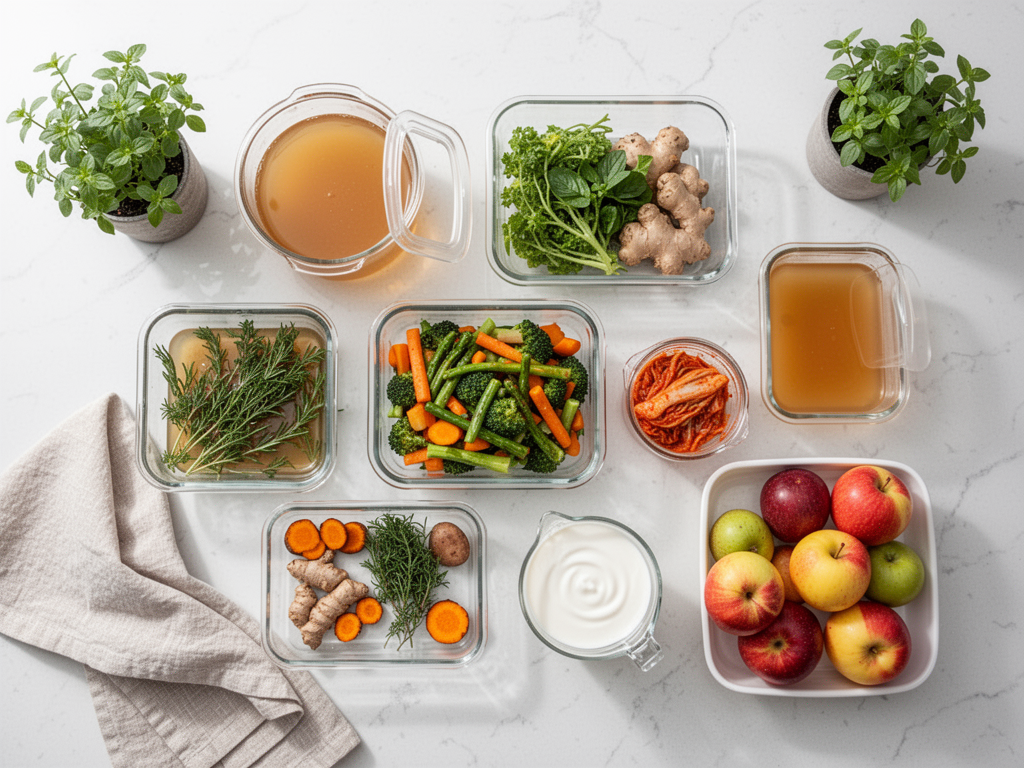
Whether you've just finished a round of antibiotics, survived a holiday season of indulgent eating, or simply feel like your digestion hasn't been right for months, a structured gut reset can help you get back on track. Unlike dubious "detox" cleanses that promise miracle results, a genuine gut reset is a science-backed approach to removing dietary irritants, nourishing your gut lining, and systematically rebuilding a healthy microbiome.
In this guide, we'll walk you through a complete 7-day gut reset protocol with specific meals for each day, the supplements that can support each phase, and what to expect as your digestive system recalibrates.
What a Gut Reset Actually Means (and What It Doesn't)
Let's be clear from the start: a gut reset is not a "detox." Your liver and kidneys handle detoxification perfectly well on their own, and no juice cleanse or supplement can replace their function. What a gut reset actually does is:
- Removes foods that commonly irritate the gut lining — giving your intestinal barrier time to repair
- Eliminates foods that feed pathogenic bacteria — helping restore a healthier bacterial balance
- Introduces gut-nourishing foods in a strategic sequence — providing the raw materials your gut needs to heal
- Gradually reintroduces prebiotic and probiotic foods — rebuilding microbiome diversity in a way that minimizes digestive discomfort
Think of it as pressing a "soft reset" button — not erasing everything, but clearing out the noise so your gut can function optimally again.
Who Should Consider a Gut Reset?
A 7-day gut reset can be particularly beneficial if you:
- Recently completed a course of antibiotics (which can reduce gut bacterial diversity by up to 30%)
- Have been eating a highly processed diet for an extended period
- Experience persistent bloating, gas, or irregular bowel movements
- Notice increased food sensitivities or intolerances
- Feel fatigued or mentally foggy after meals
- Are coming off a period of high stress (cortisol directly impacts gut barrier function)
- Want to transition to a healthier long-term eating pattern and need a clean starting point
Important: If you have a diagnosed digestive condition (IBS, IBD, Crohn's, celiac disease), consult your healthcare provider before attempting a gut reset. This protocol is designed for generally healthy individuals looking to optimize their digestive function.
Pre-Reset Preparation: Setting Yourself Up for Success
The day before you start, take these steps:
Stock your kitchen with:
- Bone broth (homemade or high-quality store-bought, at least 4–6 cups worth)
- Fresh ginger root and turmeric root (or high-quality ground versions)
- Vegetables: zucchini, carrots, sweet potatoes, spinach, cucumber, celery
- Lean proteins: wild-caught salmon, organic chicken breast, pasture-raised eggs
- Healthy fats: extra virgin olive oil, avocados, coconut oil
- Fermented foods (for later in the week): plain kefir or yogurt, sauerkraut, kimchi
- Prebiotic foods (for later in the week): garlic, onions, asparagus, bananas
- Herbal teas: peppermint, chamomile, ginger
Remove from your kitchen (or put away):
- All processed and packaged foods
- Refined sugar and artificial sweeteners
- Alcohol
- Dairy (except what you'll use in later phases)
- Gluten-containing grains
- Coffee (optional — if you're a heavy coffee drinker, taper down to one cup in the 2–3 days before starting)
Phase 1: The Elimination Phase (Days 1–2)
The first two days focus on removing dietary irritants and giving your gut lining a chance to begin healing. Meals are simple, easy to digest, and anti-inflammatory.
Day 1:
- Morning: Warm lemon water upon waking, followed by a ginger-turmeric tea. Breakfast: steamed zucchini and soft-scrambled eggs cooked in coconut oil.
- Midday: Warm bone broth (1–2 cups) sipped slowly as a snack or light meal.
- Lunch: Baked salmon fillet with steamed carrots and a drizzle of olive oil. Side of cucumber slices.
- Afternoon: Peppermint tea with a small handful of pumpkin seeds.
- Dinner: Chicken and vegetable soup (chicken breast, zucchini, carrots, celery) in bone broth. Seasoned with fresh ginger, turmeric, and sea salt.
Day 2:
- Morning: Warm lemon water, chamomile tea. Breakfast: poached eggs over steamed spinach with avocado.
- Midday: Bone broth with fresh ginger slices.
- Lunch: Grilled chicken breast with roasted sweet potato and steamed broccoli (well-cooked for easier digestion).
- Afternoon: Ginger tea with a few slices of cucumber and a tablespoon of olive oil drizzled over them.
- Dinner: Poached white fish (cod or sole) with mashed sweet potato and steamed zucchini.
Phase 2: The Nourishment Phase (Days 3–4)
With irritants removed, these days focus on deeply nourishing your gut lining with collagen-rich foods, anti-inflammatory compounds, and easily digestible nutrients.
Day 3:
- Morning: Warm water with apple cider vinegar (1 tsp in 8 oz water). Breakfast: sweet potato hash with soft-cooked eggs and fresh herbs (parsley, basil).
- Midday: Bone broth with added collagen peptides (1 scoop).
- Lunch: Large green salad (spinach, cucumber, shredded carrot, avocado) with grilled salmon. Dressing: lemon juice + olive oil.
- Afternoon: Half an avocado with sea salt and a squeeze of lemon.
- Dinner: Slow-cooked chicken thighs with roasted root vegetables (carrots, parsnips, sweet potato) seasoned with rosemary and thyme.
Day 4:
- Morning: Ginger-turmeric latte (turmeric, ginger, coconut milk, black pepper). Breakfast: vegetable omelet (zucchini, spinach, bell pepper) cooked in olive oil.
- Midday: Bone broth with a sprinkle of fresh parsley.
- Lunch: Turkey meatballs (seasoned with herbs) with mashed cauliflower and steamed green beans.
- Afternoon: Celery sticks with a small amount of almond butter.
- Dinner: Baked cod with roasted beets, carrots, and a generous drizzle of extra virgin olive oil.
Phase 3: The Rebuilding Phase (Days 5–7)
Now it's time to strategically reintroduce prebiotic and probiotic foods to begin rebuilding microbiome diversity. We start small and increase gradually.
Day 5:
- Morning: Warm water with lemon. Breakfast: chia seed pudding made with coconut milk, topped with a few blueberries and a drizzle of raw honey.
- Midday: A small serving (2–3 tablespoons) of plain, unsweetened yogurt or kefir.
- Lunch: Quinoa bowl with roasted vegetables (sweet potato, broccoli, bell pepper), avocado, and grilled chicken. Light garlic-lemon dressing.
- Afternoon: Green smoothie (spinach, half a banana, ginger, coconut water).
- Dinner: Salmon with steamed asparagus (a prebiotic powerhouse) and brown rice.
Day 6:
- Morning: Warm water with lemon. Breakfast: overnight oats made with coconut milk, flaxseeds, walnuts, and mixed berries.
- Midday: Kefir smoothie (kefir, half banana, handful of spinach, 1 tsp raw honey).
- Lunch: Lentil soup with garlic, onion, carrots, and celery. Side of sauerkraut (2–3 tablespoons).
- Afternoon: Apple slices with almond butter and a sprinkle of cinnamon.
- Dinner: Grilled chicken with roasted Brussels sprouts, sweet potato, and a side of kimchi (start with 1–2 tablespoons).
Day 7:
- Morning: Warm water with lemon and ginger. Breakfast: sweet potato toast topped with mashed avocado, sauerkraut, and a poached egg.
- Midday: Bone broth with added prebiotic vegetables (garlic, onion, leek).
- Lunch: Mediterranean bowl — quinoa, chickpeas, cucumber, tomatoes, olive oil, lemon juice, fresh herbs. Side of yogurt with a drizzle of honey.
- Afternoon: Mixed nuts (almonds, walnuts, pumpkin seeds) with a few squares of dark chocolate (85%+).
- Dinner: Celebration meal — wild salmon with a diverse roasted vegetable medley (asparagus, broccoli, bell peppers, onions, garlic), brown rice, and a generous serving of kimchi or sauerkraut.
Supplements to Support Each Phase
While food should be the foundation of your gut reset, certain supplements can enhance the process:
Throughout all phases:
- L-Glutamine (5g, twice daily) — the primary fuel source for intestinal cells; supports gut barrier repair
- Omega-3 fatty acids (if not eating fish daily) — powerful anti-inflammatory support
Phase 1–2 (Elimination & Nourishment):
- Digestive enzymes — taken with meals to support optimal nutrient breakdown during the healing phase
- Zinc carnosine — research suggests it supports gut lining repair
Phase 3 (Rebuilding):
- A high-quality probiotic — look for multi-strain formulas with at least 10 billion CFU, including Lactobacillus and Bifidobacterium species
- Prebiotic fiber supplement (optional) — such as partially hydrolyzed guar gum or acacia fiber, if you want additional prebiotic support beyond food
What to Expect: Symptom Timeline During the Reset
Knowing what to expect helps you push through the challenging moments:
- Days 1–2: You may experience headaches (especially if you've cut caffeine), fatigue, irritability, and increased bloating as pathogenic bacteria lose their food sources and release compounds during die-off. This is normal and temporary.
- Days 3–4: Most people notice reduced bloating, more regular bowel movements, and improved energy. You may also notice clearer skin and better sleep.
- Days 5–7: As you reintroduce prebiotic and probiotic foods, mild gas is normal as your expanding bacterial populations adjust. Energy levels typically continue to improve, and many people report reduced food cravings, especially for sugar.
Stay hydrated throughout: Aim for at least 8–10 glasses of water per day, plus herbal teas. Proper hydration is essential for gut motility and helps flush metabolic waste products.
After the Reset: How to Maintain Your Results Long-Term
The 7-day reset is a jumpstart, not a destination. To maintain the benefits:
- Follow the 80/20 rule: Aim to eat whole, gut-friendly foods 80% of the time. The occasional indulgence won't undo your progress if your baseline diet is strong.
- Keep eating fermented foods daily: Even a few tablespoons of sauerkraut or a small serving of yogurt maintains the probiotic populations you've built.
- Maintain fiber diversity: Continue aiming for 30+ different plant foods per week.
- Manage stress: Chronic stress directly damages the gut barrier through cortisol. Regular exercise, adequate sleep, and stress-management practices (meditation, breathing exercises) are just as important as diet.
- Reintroduce eliminated foods one at a time: After the reset, bring back dairy, gluten, caffeine, and other eliminated foods individually, waiting 2–3 days between each. This helps you identify any specific triggers for your digestive symptoms.
- Repeat the reset seasonally: Many practitioners recommend a 3–5 day gut reset every 3–4 months as maintenance, or anytime you've gone through a period of poor eating, high stress, or illness.
The Bottom Line
A structured gut reset isn't about deprivation or punishment — it's about giving your digestive system the space and raw materials it needs to heal and rebuild. By following this 7-day protocol, you're systematically removing irritants, nourishing your gut lining, and reintroducing the diverse bacteria your microbiome needs to thrive. Most people are surprised by how different they feel after just one week — less bloating, more energy, clearer thinking, and a renewed sense of what healthy digestion actually feels like.
Disclaimer: This article is for informational purposes only and does not constitute medical advice. Always consult with a healthcare professional before starting any new dietary protocol, especially if you have existing health conditions or are taking medications.