The Anti-Inflammatory Diet for Gut Health: What to Eat to Reduce Inflammation Naturally
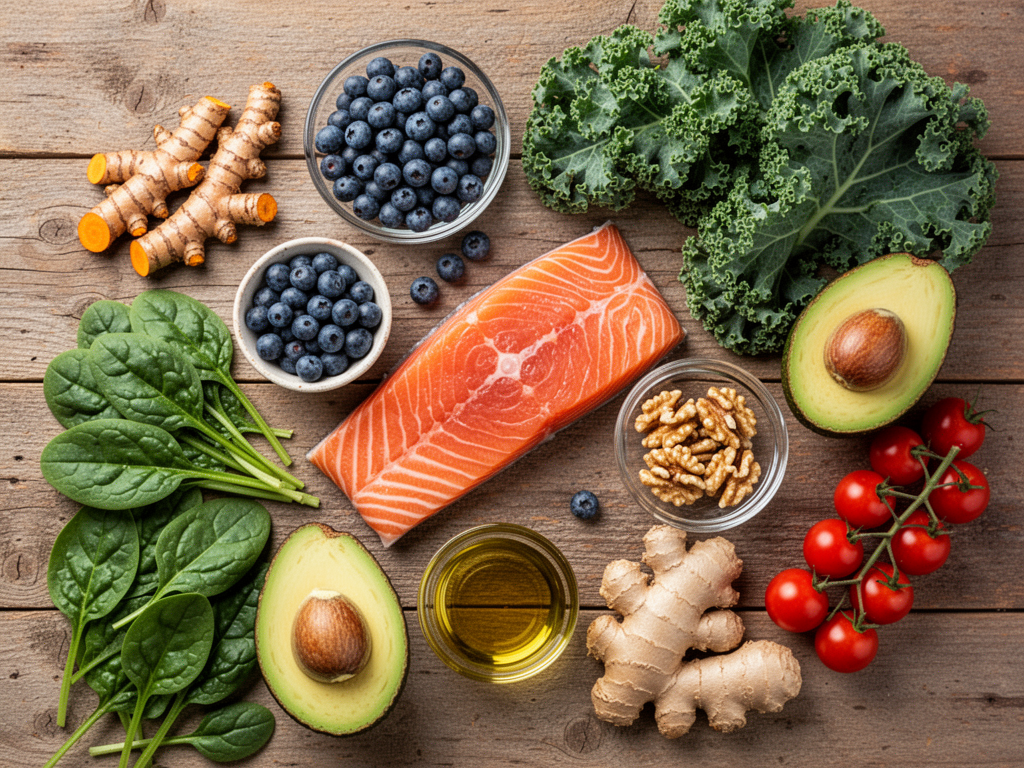
Chronic inflammation is one of the most overlooked drivers of digestive problems — and it could be silently damaging your gut lining right now. Research suggests that what you eat every day either fuels or fights this inflammation, making your diet one of the most powerful tools for healing leaky gut and restoring intestinal health.
In this guide, we'll break down the science behind anti-inflammatory eating, identify the best and worst foods for your gut, and give you a practical 5-day meal plan to get started.
What Is Chronic Inflammation and How Does It Damage Your Gut?
Inflammation is your body's natural defense mechanism — a short-term immune response to injury or infection. But when inflammation becomes chronic, persisting for weeks, months, or even years, it begins to attack healthy tissue, including the delicate lining of your intestines.
Studies published in the Journal of Clinical Gastroenterology show that chronic low-grade inflammation increases intestinal permeability — the hallmark of leaky gut syndrome. When the tight junctions between intestinal cells weaken, partially digested food particles, toxins, and bacteria can slip into your bloodstream, triggering a cascade of immune reactions throughout the body.
The result? Bloating, food sensitivities, brain fog, skin problems, joint pain, and fatigue — symptoms that many people don't connect to their gut at all.
How Inflammatory Foods Increase Intestinal Permeability
Certain foods actively promote inflammation by triggering the release of pro-inflammatory cytokines — signaling molecules that tell your immune system to ramp up its attack. Refined sugars, industrial seed oils, and ultra-processed foods are among the worst offenders.
A 2023 study in Nature Reviews Gastroenterology found that participants consuming a standard Western diet high in processed foods had significantly higher levels of zonulin — a protein that directly regulates tight junction permeability — compared to those eating whole, unprocessed foods.
The Core Principles of Anti-Inflammatory Eating
An anti-inflammatory diet isn't a rigid meal plan — it's a framework built on a few key principles:
- Prioritize whole, unprocessed foods — vegetables, fruits, nuts, seeds, lean proteins, and healthy fats
- Emphasize omega-3 fatty acids — found in fatty fish, flaxseeds, and walnuts
- Load up on polyphenol-rich foods — berries, dark leafy greens, green tea, and dark chocolate
- Include fermented foods daily — yogurt, kefir, sauerkraut, and kimchi for probiotic support
- Minimize refined carbohydrates and added sugars
- Cook with anti-inflammatory herbs and spices — turmeric, ginger, garlic, and oregano
Top 15 Anti-Inflammatory Foods for Gut Health
These foods have strong scientific backing for reducing inflammation and supporting intestinal barrier function:
Omega-3 Powerhouses
- Wild-caught salmon — rich in EPA and DHA, which studies show reduce gut inflammation markers by up to 30%
- Sardines — packed with omega-3s and virtually free of heavy metals
- Walnuts — the only tree nut with significant alpha-linolenic acid (ALA) content
Polyphenol-Rich Fruits and Vegetables
- Blueberries — contain anthocyanins that research links to reduced intestinal inflammation
- Spinach and kale — loaded with vitamins A, C, K, and anti-inflammatory flavonoids
- Broccoli and broccoli sprouts — contain sulforaphane, a compound shown to strengthen gut barrier integrity
- Beets — rich in betalains, pigments with potent anti-inflammatory properties
Healthy Fats
- Extra virgin olive oil — contains oleocanthal, which researchers compare to ibuprofen in its anti-inflammatory effect
- Avocados — high in monounsaturated fats and glutathione, a master antioxidant
Fermented and Prebiotic Foods
- Bone broth — provides collagen, gelatin, and amino acids like L-glutamine that help seal the gut lining
- Sauerkraut — unpasteurized varieties deliver billions of beneficial bacteria
- Garlic and onions — prebiotic fibers (inulin and FOS) that feed anti-inflammatory gut bacteria
Anti-Inflammatory Extras
- Green tea — EGCG catechins reduce gut inflammation in clinical trials
- Dark chocolate (70%+ cacao) — flavanols support beneficial Bifidobacteria growth
- Chia seeds — combine omega-3s, fiber, and antioxidants in one superfood package
7 Inflammatory Foods to Eliminate or Reduce
While adding anti-inflammatory foods is essential, removing the biggest inflammatory triggers can accelerate gut healing dramatically:
- Refined sugar and high-fructose corn syrup — feeds pathogenic gut bacteria and spikes inflammation
- Industrial seed oils (soybean, corn, canola, sunflower) — extremely high in omega-6 fatty acids that promote inflammation when consumed in excess
- Ultra-processed foods — contain emulsifiers and additives shown to disrupt the gut mucus layer
- Refined grains (white bread, white pasta) — stripped of fiber and nutrients, they spike blood sugar and feed inflammatory pathways
- Excessive alcohol — directly damages the intestinal lining and increases permeability
- Artificial sweeteners — studies suggest they alter gut bacteria composition unfavorably
- Conventional dairy (for sensitive individuals) — casein A1 protein may trigger inflammation in some people
A Sample 5-Day Anti-Inflammatory Meal Plan
Day 1
- Breakfast: Turmeric golden milk smoothie with banana, ginger, and almond butter
- Lunch: Mixed greens salad with grilled salmon, avocado, walnuts, and olive oil dressing
- Dinner: Bone broth soup with roasted vegetables and quinoa
Day 2
- Breakfast: Overnight oats with chia seeds, blueberries, and a drizzle of raw honey
- Lunch: Turkey and veggie lettuce wraps with sauerkraut on the side
- Dinner: Baked cod with roasted broccoli and sweet potato
Day 3
- Breakfast: Kefir smoothie bowl topped with walnuts, hemp seeds, and berries
- Lunch: Lentil soup with spinach, garlic, and a side of sourdough bread
- Dinner: Grass-fed beef stir-fry with bell peppers, broccoli, and ginger-garlic sauce over cauliflower rice
Day 4
- Breakfast: Scrambled eggs with sautéed spinach, mushrooms, and avocado
- Lunch: Mediterranean bowl with chickpeas, cucumber, tomato, olives, and tahini dressing
- Dinner: Grilled sardines with roasted beet salad and wild rice
Day 5
- Breakfast: Green smoothie with spinach, banana, flaxseed, and coconut milk
- Lunch: Chicken bone broth with zucchini noodles and herbs
- Dinner: Wild-caught salmon with asparagus and a side of kimchi
Anti-Inflammatory Herbs and Spices That Heal Your Gut
Don't underestimate the power of your spice rack. These herbs and spices pack serious anti-inflammatory and gut-healing compounds:
- Turmeric — curcumin is one of the most studied anti-inflammatory compounds in nutrition science. Pair with black pepper to increase absorption by up to 2,000%.
- Ginger — contains gingerols that reduce intestinal inflammation and ease nausea and bloating
- Oregano — has antimicrobial properties that may help rebalance gut bacteria
- Cinnamon — helps regulate blood sugar and has been shown to reduce gut inflammation in animal studies
- Rosemary — rich in rosmarinic acid, a polyphenol with strong anti-inflammatory action
How to Transition Without Feeling Overwhelmed
You don't need to overhaul your entire diet overnight. Research on habit formation suggests gradual changes stick better than drastic ones:
- Week 1: Add one anti-inflammatory food to every meal (a handful of berries, a drizzle of olive oil, a serving of greens)
- Week 2: Start removing one inflammatory food category (begin with sugary drinks or processed snacks)
- Week 3: Introduce fermented foods daily — even a tablespoon of sauerkraut counts
- Week 4: Try following the full meal plan for 3–5 days per week
What to Expect: 30, 60, and 90 Days
Many people report noticeable improvements on a timeline like this:
- After 30 days: Reduced bloating, more regular digestion, and improved energy levels
- After 60 days: Clearer skin, fewer food sensitivities, and better mental clarity
- After 90 days: Significant shifts in gut bacteria composition (as shown in microbiome testing studies), stronger immune function, and reduced systemic inflammation markers
Remember, healing is not linear. Some weeks you'll feel incredible; others might bring temporary setbacks as your microbiome adjusts. Stay consistent, focus on progress over perfection, and trust the process.
Disclaimer: This article is for informational purposes only and is not a substitute for professional medical advice. Always consult your healthcare provider before making significant dietary changes, especially if you have existing health conditions.