15 Gut-Healthy Breakfast Ideas That Support Digestive Wellness Every Morning
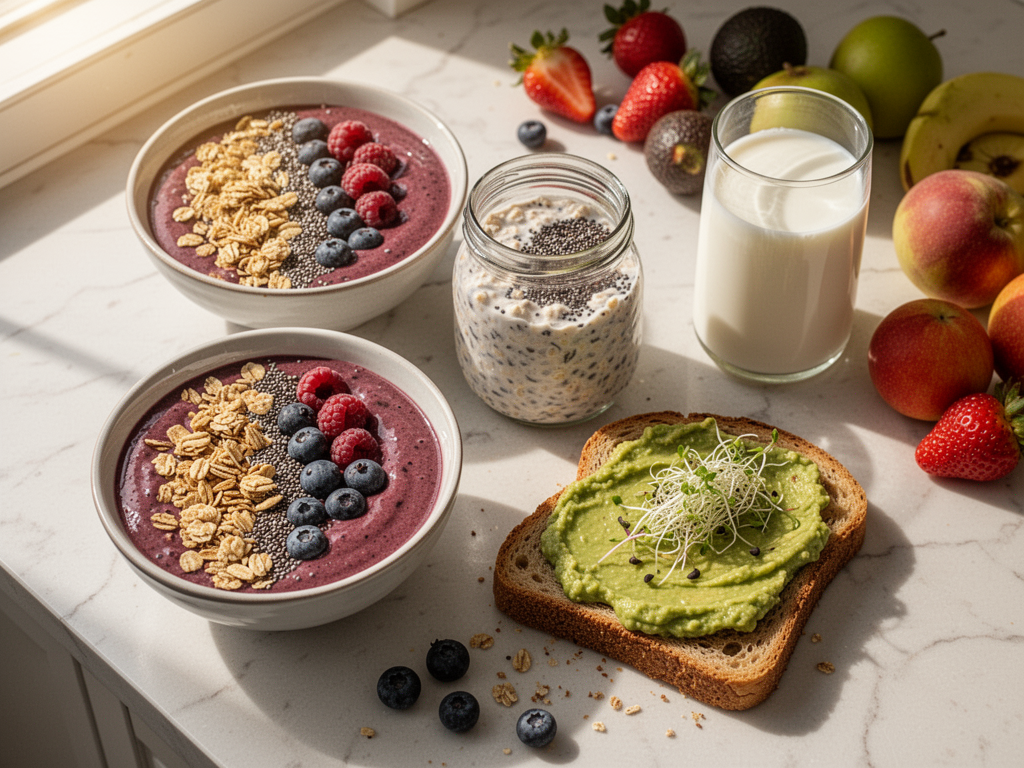
What you eat first thing in the morning sets the tone for your entire digestive system. Research shows that your gut microbiome follows a circadian rhythm — and breakfast is the meal that "wakes up" your beneficial bacteria and primes your digestion for the day ahead.
The problem? Most popular breakfast foods — sugary cereals, pastries, fruit juice, and flavored yogurts — are exactly the foods that feed harmful bacteria and spike inflammation. The good news is that gut-friendly breakfasts can be just as quick, delicious, and satisfying.
Here are 15 gut-healthy breakfast ideas organized by type, so you can find options that fit your schedule and taste preferences.
What Makes a Breakfast "Gut-Friendly"?
Before diving into the recipes, it helps to understand what qualifies a breakfast as beneficial for your digestive system. A gut-friendly breakfast includes one or more of these elements:
- Prebiotic fiber — feeds your beneficial bacteria (found in oats, bananas, flaxseed, and chia seeds)
- Probiotic-rich fermented foods — introduces live beneficial bacteria (kefir, yogurt, sauerkraut, miso)
- Polyphenols — plant compounds that support microbiome diversity (berries, green tea, dark chocolate)
- Healthy fats — support nutrient absorption and reduce inflammation (avocado, nuts, olive oil)
- Low added sugar — excess sugar feeds pathogenic bacteria and disrupts the gut barrier
Smoothie and Bowl Recipes
1. Kefir Berry Blast Smoothie Bowl
Blend 1 cup of plain kefir with a handful of frozen mixed berries, half a banana, and a tablespoon of ground flaxseed. Pour into a bowl and top with granola, sliced almonds, and a drizzle of raw honey. Kefir contains up to 61 different strains of beneficial bacteria — far more than standard yogurt.
2. Green Gut-Healer Smoothie
Blend a large handful of spinach, half an avocado, one frozen banana, a tablespoon of chia seeds, a thumb-sized piece of fresh ginger, and coconut water. The combination of prebiotic fiber from the banana and anti-inflammatory ginger makes this a powerhouse for morning digestion.
3. Tropical Turmeric Smoothie Bowl
Blend frozen mango, pineapple, a teaspoon of turmeric paste, a pinch of black pepper, and coconut yogurt until thick. Top with toasted coconut flakes, hemp seeds, and passion fruit. The bromelain in pineapple naturally supports protein digestion, while turmeric provides potent anti-inflammatory benefits.
4. Chocolate Collagen Shake
Blend a scoop of collagen peptides with a tablespoon of raw cacao powder, one frozen banana, almond milk, and a tablespoon of almond butter. Collagen provides the amino acids L-glutamine and glycine, which research suggests help repair and maintain the intestinal lining.
Overnight Oats and Porridge
5. Classic Prebiotic Overnight Oats
Combine half a cup of rolled oats with chia seeds, a sliced banana, a splash of kefir, and almond milk. Refrigerate overnight. In the morning, top with blueberries and a sprinkle of cinnamon. Oats contain beta-glucan fiber, which studies show increases Bifidobacteria and Lactobacilli populations in the gut.
6. Golden Turmeric Porridge
Cook rolled oats with coconut milk, a teaspoon of turmeric, half a teaspoon of cinnamon, and a pinch of black pepper. Top with stewed apples, walnuts, and a drizzle of maple syrup. This warming bowl combines prebiotic fiber with powerful anti-inflammatory spices.
7. Apple Cinnamon Baked Oatmeal
Mix oats, diced apples, walnuts, cinnamon, an egg, and a touch of maple syrup. Bake at 350°F for 25 minutes. Prepare a batch on Sunday and reheat portions throughout the week. Apples are rich in pectin, a prebiotic fiber that feeds beneficial Bacteroidetes species.
8. Savory Miso Oat Bowl
Cook steel-cut oats in water, then stir in a tablespoon of white miso paste, a soft-boiled egg, sliced scallions, sesame seeds, and a drizzle of toasted sesame oil. Miso is a fermented food rich in beneficial bacteria and enzymes that aid digestion — and it works beautifully in a savory breakfast format.
Savory Breakfast Options
9. Avocado-Sauerkraut Toast
Toast a slice of sourdough bread (itself a fermented food), spread with mashed avocado, and top with a generous scoop of raw sauerkraut, everything bagel seasoning, and a squeeze of lemon. This simple combo delivers prebiotics, probiotics, and healthy monounsaturated fats in under 5 minutes.
10. Veggie-Egg Scramble with Fermented Salsa
Scramble two eggs with sautéed spinach, mushrooms, and bell peppers. Serve with a side of fermented salsa or kimchi and a slice of sourdough. Eggs provide choline, a nutrient that supports the gut-liver axis, while the fermented salsa adds a probiotic kick.
11. Japanese-Inspired Miso Soup Breakfast
Heat dashi or vegetable broth and stir in white miso paste (don't boil — it kills the probiotics). Add cubed silken tofu, wakame seaweed, sliced scallions, and a soft-boiled egg. In Japan, miso soup for breakfast is a centuries-old tradition — and modern research confirms its benefits for gut health and microbiome diversity.
12. Sweet Potato and Greens Hash
Dice sweet potato and sauté in olive oil with garlic, kale, and a pinch of cumin until crispy. Top with a fried egg and a dollop of plain yogurt. Sweet potatoes are rich in resistant starch — a type of prebiotic fiber that feeds butyrate-producing bacteria, which are essential for colon health.
Quick Grab-and-Go Options
13. Chia Pudding Jars
Mix 3 tablespoons of chia seeds with a cup of coconut milk and a teaspoon of vanilla extract. Refrigerate overnight in a mason jar. In the morning, layer with berries, a spoonful of yogurt, and crushed pistachios. Chia seeds expand to form a gel-like substance rich in soluble fiber that acts as a prebiotic and helps regulate bowel movements.
14. Banana-Walnut Energy Bites
Blend rolled oats, ripe banana, chopped walnuts, ground flaxseed, a pinch of cinnamon, and a drizzle of honey. Roll into bite-sized balls and refrigerate. These provide prebiotic fiber from oats and banana, omega-3s from walnuts and flax, and natural sweetness without refined sugar. Make a batch on the weekend for grab-and-go fuel all week.
15. Coconut Yogurt Parfait
Layer coconut yogurt (look for brands with live active cultures) with homemade granola, sliced kiwi, and a drizzle of raw honey in a jar. Kiwi fruit contains actinidin, a natural enzyme that aids protein digestion, plus soluble fiber that supports regularity. This one takes 2 minutes to assemble and travels beautifully.
Breakfasts to Avoid for Gut Health
While adding gut-friendly breakfasts is important, it's equally valuable to recognize what's working against you. These common breakfast choices can disrupt your microbiome:
- Sugary cereals — often contain 12–15g of added sugar per serving, feeding pathogenic bacteria
- Pastries, muffins, and donuts — refined flour and sugar with no fiber or nutritional value for your gut
- Fruit juice — strips away the fiber and concentrates the sugar, causing blood sugar spikes
- Flavored yogurts — many contain more sugar than a candy bar, negating any probiotic benefit
- Processed breakfast meats — linked to increased gut inflammation in observational studies
Building a Weekly Gut-Healthy Breakfast Rotation
Variety is key for microbiome diversity. Research published in the American Gut Project found that people who eat more than 30 different plant foods per week have significantly more diverse gut bacteria than those who eat fewer than 10. Rotating your breakfasts throughout the week is an easy way to increase that plant diversity.
Here's a suggested weekly rotation:
- Monday: Overnight oats (#5) — prep Sunday night
- Tuesday: Avocado-sauerkraut toast (#9) — 5 minutes
- Wednesday: Kefir smoothie bowl (#1) — 3 minutes
- Thursday: Veggie-egg scramble (#10) — 10 minutes
- Friday: Chia pudding jar (#13) — prep Thursday night
- Saturday: Sweet potato hash (#12) — weekend treat
- Sunday: Golden turmeric porridge (#6) — slow morning
The key is consistency, not perfection. Even swapping one gut-unfriendly breakfast per week for one of these options can make a meaningful difference in your microbiome diversity over time.
Disclaimer: This article is for informational purposes only and is not a substitute for professional medical advice. Always consult your healthcare provider before making significant dietary changes, especially if you have existing health conditions or food allergies.