The Mediterranean Diet and Gut Health: Why This Eating Pattern Is the Gold Standard for Your Microbiome
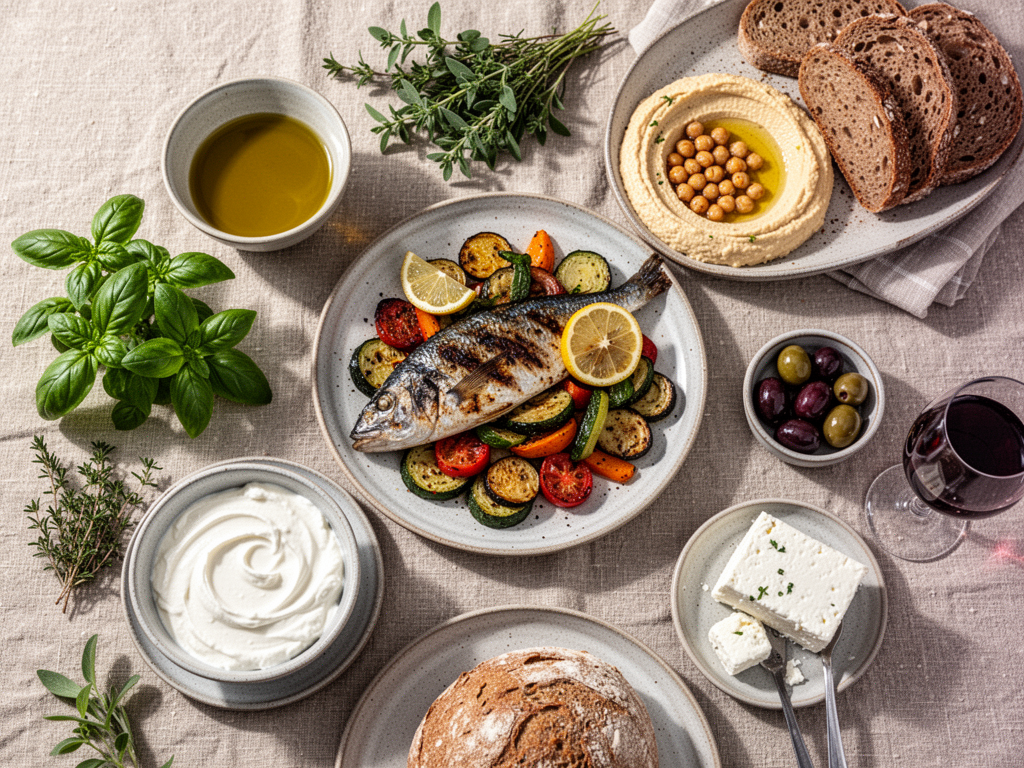
If you could only follow one eating pattern for the rest of your life to support your gut health, the majority of gastroenterologists and microbiome researchers would point you in the same direction: the Mediterranean diet. Decades of clinical research have established it as one of the most effective dietary approaches for increasing microbiome diversity, reducing intestinal inflammation, and healing leaky gut.
But what makes this centuries-old eating pattern so powerful for your digestive system? And how can you start incorporating it into your daily life without a complete kitchen overhaul? Let's explore the science, the principles, and a practical plan to get you started.
What Is the Mediterranean Diet?
The Mediterranean diet isn't a structured meal plan with calorie counts and forbidden foods — it's a way of eating inspired by the traditional cuisines of countries bordering the Mediterranean Sea, particularly Greece, southern Italy, and Spain. At its core, it emphasizes:
- Abundant vegetables, fruits, legumes, nuts, and seeds
- Whole grains as the primary source of carbohydrates
- Extra virgin olive oil as the main cooking fat
- Moderate consumption of fish and seafood
- Limited red meat and processed foods
- Fermented dairy like yogurt and aged cheeses
- Herbs and spices for flavor instead of excess salt
- Red wine in moderation (optional)
UNESCO recognized the Mediterranean diet as an Intangible Cultural Heritage in 2013, and it has been named the best overall diet by U.S. News & World Report for seven consecutive years — in large part because of its proven benefits for heart health, longevity, and digestive wellness.
The Research: Mediterranean Eating and Microbiome Diversity
The connection between the Mediterranean diet and gut health is one of the most well-documented in nutritional science. Key findings include:
- A landmark 2020 study in the journal Gut followed over 600 participants across five European countries and found that adherence to the Mediterranean diet for just 12 months significantly increased beneficial gut bacteria, including species that produce anti-inflammatory short-chain fatty acids (SCFAs).
- Research published in Frontiers in Nutrition showed that Mediterranean diet adherents had 30–40% higher levels of Faecalibacterium prausnitzii — a bacterium strongly associated with reduced intestinal inflammation and lower risk of inflammatory bowel disease.
- A 2022 meta-analysis in Nutrients reviewing 17 clinical trials concluded that the Mediterranean diet consistently improves gut microbiome composition and reduces markers of systemic inflammation compared to Western dietary patterns.
How the Mediterranean Diet Heals Leaky Gut
The Mediterranean diet supports intestinal barrier repair through several well-studied mechanisms:
- Polyphenols from olive oil, berries, and red wine strengthen tight junction proteins that seal gaps between intestinal cells
- Omega-3 fatty acids from fish reduce the production of pro-inflammatory cytokines that damage the gut lining
- Diverse prebiotic fibers from legumes, whole grains, and vegetables feed butyrate-producing bacteria — and butyrate is the primary fuel source for the cells lining your colon
- Fermented foods introduce beneficial bacterial strains that help crowd out pathogenic organisms
- Low sugar and minimal processed foods reduce the drivers of dysbiosis (microbial imbalance) and zonulin overproduction
The 7 Pillars of Mediterranean Eating for Gut Health
1. Extra Virgin Olive Oil as the Primary Fat
Olive oil is the cornerstone of Mediterranean eating and a gut health superstar. It contains oleocanthal (a natural anti-inflammatory compound), polyphenols that feed beneficial bacteria, and oleic acid that supports the integrity of the intestinal mucus layer. Studies suggest consuming 2–4 tablespoons daily for maximum benefit. Use it for cooking, salad dressings, and drizzling over finished dishes.
2. Abundant Vegetables and Leafy Greens
Mediterranean cultures typically consume 6–9 servings of vegetables per day — far more than the Western average of 1–2. This diversity of plant fibers is critical for microbiome health. Each vegetable feeds different bacterial species, so eating a wide variety creates a more resilient, diverse gut ecosystem. Aim to eat vegetables at every meal, including breakfast.
3. Legumes and Whole Grains for Prebiotic Fiber
Lentils, chickpeas, white beans, and farro are Mediterranean staples that provide exceptional prebiotic fiber. A single cup of cooked lentils delivers about 16 grams of fiber — more than half the recommended daily intake. These foods are rich in resistant starch, which passes through the small intestine undigested and ferments in the colon, producing butyrate and other beneficial short-chain fatty acids.
4. Fatty Fish for Omega-3 Anti-Inflammatory Support
Sardines, anchovies, mackerel, and wild salmon are consumed 2–3 times per week in traditional Mediterranean eating. Their omega-3 fatty acids (EPA and DHA) have been shown in clinical trials to reduce intestinal permeability and lower levels of inflammatory markers like C-reactive protein and IL-6. Smaller, wild-caught fish are preferred for lower mercury content.
5. Fermented Foods: Yogurt, Olives, and Aged Cheese
The Mediterranean diet has always included naturally fermented foods — long before "probiotics" became a wellness buzzword. Greek yogurt, traditionally fermented olives, aged cheeses like Pecorino Romano, and even sourdough bread all contribute live beneficial bacteria. Daily consumption of fermented foods was associated with decreased inflammatory markers in a 2021 Stanford study published in Cell.
6. Herbs and Spices Instead of Salt
Mediterranean cooking relies heavily on oregano, basil, rosemary, thyme, garlic, and cumin for flavor — reducing the need for excess salt, which research links to gut microbiome disruption. Many of these herbs also contain antimicrobial and anti-inflammatory compounds. Oregano, for example, contains carvacrol and thymol, which studies show can help manage small intestinal bacterial overgrowth (SIBO).
7. Red Wine in Moderation (Optional)
A small glass of red wine (5 oz) with dinner is traditional in Mediterranean cultures. Red wine contains polyphenols — particularly resveratrol — that studies link to increased Bifidobacteria and overall microbial diversity. However, this is entirely optional, and excessive alcohol consumption damages the gut lining. If you don't drink, you can get similar polyphenols from red grapes, pomegranate juice, and dark berries.
Mediterranean Diet vs. Western Diet: What Research Shows
The contrast between Mediterranean and Western dietary patterns is stark when it comes to gut bacteria composition:
- Mediterranean diet adherents show higher levels of Prevotella, Faecalibacterium, and Roseburia — bacteria associated with anti-inflammatory SCFA production, strong intestinal barriers, and lower disease risk.
- Western diet adherents show higher levels of Ruminococcus, Bilophila, and certain Bacteroides species associated with inflammation, bile acid disruption, and increased intestinal permeability.
A 2023 comparative study in The American Journal of Clinical Nutrition found that switching from a Western to a Mediterranean diet for just 4 weeks produced measurable shifts in gut bacteria composition — suggesting that meaningful microbiome change doesn't require months of perfect eating.
How to Start Eating Mediterranean-Style Today
Transitioning to Mediterranean eating doesn't require exotic ingredients or cooking skills. Here are practical starting points:
- Swap your cooking oil — replace vegetable and canola oil with extra virgin olive oil for all cooking and dressing
- Add one extra vegetable to every meal — even a handful of spinach or sliced tomatoes counts
- Replace one red meat meal per week with fish — canned sardines or frozen salmon fillets are affordable and convenient
- Stock up on canned legumes — chickpeas, lentils, and white beans are inexpensive and require zero prep
- Snack on nuts instead of chips — a handful of almonds, walnuts, or pistachios
- Use herbs generously — fresh or dried, they add flavor and gut-supporting compounds
- Choose whole grains — swap white rice for farro, quinoa, or brown rice
A 3-Day Mediterranean Meal Plan for Gut Health
Day 1
- Breakfast: Greek yogurt with walnuts, honey, and sliced figs
- Lunch: White bean and vegetable soup with crusty sourdough bread drizzled with olive oil
- Snack: Hummus with cucumber and bell pepper slices
- Dinner: Grilled salmon with roasted Mediterranean vegetables (zucchini, eggplant, tomatoes) and quinoa
Day 2
- Breakfast: Sourdough toast with mashed avocado, cherry tomatoes, and a drizzle of olive oil
- Lunch: Lentil and spinach salad with feta cheese, olives, red onion, and lemon-olive oil dressing
- Snack: A handful of almonds and a few dried apricots
- Dinner: Baked sardines with roasted garlic, lemon, and a side of farro with fresh herbs
Day 3
- Breakfast: Vegetable frittata with spinach, sun-dried tomatoes, and oregano
- Lunch: Chickpea and roasted red pepper wrap with tahini sauce and mixed greens
- Snack: Marinated olives with a small piece of aged Pecorino cheese
- Dinner: Herb-crusted mackerel with braised white beans, kale, and a glass of red wine (optional)
Who Should Try the Mediterranean Diet?
The Mediterranean diet is considered safe and beneficial for most adults, but some modifications may be needed:
- People with IBS or SIBO — some high-FODMAP Mediterranean staples (garlic, onions, legumes) may need to be introduced gradually or substituted with low-FODMAP alternatives
- Those with celiac disease — choose gluten-free whole grains like quinoa, buckwheat, and rice instead of wheat, farro, and barley
- People with histamine intolerance — fermented foods, aged cheeses, and red wine may trigger symptoms; work with a practitioner to modify the diet accordingly
- Anyone on blood-thinning medication — high vitamin K intake from leafy greens may interact with certain medications; consult your doctor
For the vast majority of people, the Mediterranean diet represents the closest thing to a "universal" gut-healing eating pattern. Its emphasis on diversity, whole foods, healthy fats, and fermented foods aligns perfectly with what modern microbiome science tells us our gut bacteria need to thrive.
Disclaimer: This article is for informational purposes only and is not a substitute for professional medical advice. Always consult your healthcare provider before making significant dietary changes, especially if you have existing health conditions.