Intermittent Fasting and Gut Health: How Time-Restricted Eating Can Heal and Restore Your Microbiome
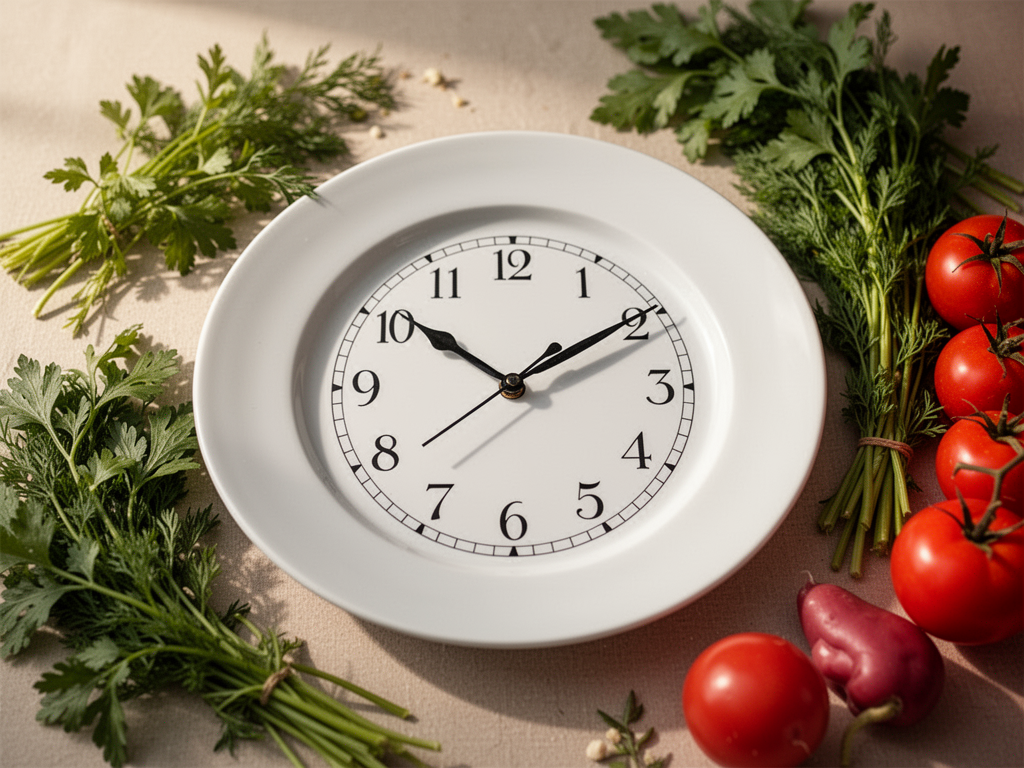
Can Skipping Meals Actually Improve Your Gut Health?
Intermittent fasting has taken the health and wellness world by storm — but most people only think of it as a weight loss strategy. What they don't realize is that time-restricted eating may be one of the most powerful tools for healing your gut, restoring your microbiome, and reducing chronic digestive inflammation.
Research published in the journal Cell Reports has shown that intermittent fasting can fundamentally reshape the composition of your gut bacteria, increase microbial diversity, and even strengthen the intestinal barrier — the very lining that breaks down in leaky gut syndrome.
In this comprehensive guide, we'll explore exactly how intermittent fasting affects your gut health, which fasting protocols work best for digestive healing, and how to start safely.
What Is Intermittent Fasting? A Quick Overview
Intermittent fasting (IF) isn't a diet — it's an eating pattern. Instead of restricting what you eat, it restricts when you eat. The most popular protocols include:
- 16:8 Method — Fast for 16 hours, eat within an 8-hour window (e.g., noon to 8 PM)
- 14:10 Method — A gentler version with a 14-hour fast and 10-hour eating window
- 5:2 Method — Eat normally 5 days per week, restrict calories to 500–600 on 2 non-consecutive days
- 24-Hour Fast — One full day of fasting once or twice per week
For gut health specifically, the 16:8 and 14:10 methods are the most researched and most recommended by functional medicine practitioners.
How Intermittent Fasting Heals Your Gut: The Science
1. It Activates the Migrating Motor Complex (MMC)
Your gut has a built-in cleaning system called the migrating motor complex (MMC). Think of it as a "sweeping wave" that moves through your small intestine, clearing out undigested food particles, bacteria, and debris.
Here's the catch: the MMC only activates during fasting states — typically after 3 to 4 hours without food. If you're constantly snacking or grazing throughout the day, this cleaning mechanism never fully engages.
When the MMC is impaired, bacteria can accumulate in the small intestine — a condition known as small intestinal bacterial overgrowth (SIBO), one of the most common underlying causes of leaky gut. Intermittent fasting gives your MMC the time it needs to do its job.
2. It Increases Beneficial Gut Bacteria
A landmark 2019 study in the journal Gut Microbes found that intermittent fasting significantly increased populations of Akkermansia muciniphila — a keystone species that strengthens the mucus layer protecting your intestinal lining.
Other research has shown increases in Lactobacillus and Bifidobacterium species, both of which produce short-chain fatty acids (SCFAs) like butyrate that directly fuel the cells lining your gut wall.
3. It Reduces Gut Inflammation
Chronic low-grade inflammation is the driving force behind leaky gut, IBS, and many other digestive disorders. Intermittent fasting has been shown to reduce key inflammatory markers including:
- C-reactive protein (CRP)
- Interleukin-6 (IL-6)
- Tumor necrosis factor-alpha (TNF-α)
- Lipopolysaccharides (LPS) — the bacterial toxins that leak through a damaged gut lining
By lowering these inflammatory signals, fasting creates an environment where your gut lining can actually repair itself.
4. It Promotes Autophagy in Gut Cells
Autophagy is your body's cellular recycling program — it breaks down damaged cells and rebuilds new, healthy ones. This process is especially important in the gut, where the intestinal lining completely replaces itself every 3 to 5 days.
Autophagy ramps up significantly after 12 to 16 hours of fasting. This means intermittent fasting essentially gives your gut cells the resources they need to repair and regenerate more efficiently.
5. It Restores Circadian Rhythm in the Gut
Your gut microbiome has its own circadian rhythm — bacterial populations fluctuate throughout the day based on when you eat. Late-night eating and irregular meal timing disrupt this rhythm, leading to dysbiosis (microbial imbalance).
Time-restricted eating helps re-synchronize your gut clock, which research shows can improve digestive motility, nutrient absorption, and overall microbial balance.
The Best Intermittent Fasting Protocol for Gut Healing
If your primary goal is improving gut health, here's the protocol most supported by research and clinical experience:
The 16:8 Gut Healing Protocol
- Eating window: 10 AM – 6 PM (or 11 AM – 7 PM)
- Fasting window: 6 PM – 10 AM
- During the fast: Water, herbal tea (ginger, peppermint, chamomile), and black coffee in moderation
- Break the fast with: Easy-to-digest foods — bone broth, cooked vegetables, or a small portion of fermented food
Why this works for gut health: The 16-hour overnight fast allows plenty of time for the MMC to clear the small intestine, autophagy to activate, and inflammation to subside. Ending your eating window by 6–7 PM aligns with your gut's natural circadian rhythm.
If You're New to Fasting, Start Here
Jump straight into 16:8 can be too aggressive, especially if you have existing digestive issues. A gentler approach:
- Week 1–2: Start with a 12-hour fast (e.g., 7 PM – 7 AM). Most people already fast this long overnight.
- Week 3–4: Extend to 14 hours (e.g., 7 PM – 9 AM).
- Week 5+: Move to 16 hours if your body tolerates it well.
What to Eat During Your Eating Window for Maximum Gut Benefits
Intermittent fasting creates the conditions for gut healing — but what you eat during your window determines how well that healing actually happens.
Foods to Prioritize
- Bone broth — Rich in collagen, glycine, and glutamine that directly repair the gut lining
- Fermented foods — Sauerkraut, kimchi, kefir, and miso provide live beneficial bacteria
- Cooked vegetables — Easier to digest than raw; sweet potatoes, squash, carrots, and zucchini are excellent choices
- Omega-3 fatty acids — Wild salmon, sardines, and flaxseeds reduce gut inflammation
- Prebiotic-rich foods — Garlic, onions, leeks, asparagus, and bananas feed beneficial bacteria
Foods to Avoid or Minimize
- Processed foods and refined sugar — Feed harmful bacteria and yeast
- Gluten — Can increase zonulin production, directly contributing to intestinal permeability
- Alcohol — Damages the gut lining and disrupts microbial balance
- Artificial sweeteners — Studies show they can negatively alter gut bacteria composition
Who Should Be Careful with Intermittent Fasting?
While intermittent fasting offers remarkable gut health benefits, it's not right for everyone:
- People with a history of eating disorders — The restriction mindset can be triggering
- Pregnant or breastfeeding women — Nutritional needs are too high for fasting
- People on diabetes medications — Blood sugar management needs close monitoring
- Those with severe adrenal fatigue or HPA axis dysfunction — Fasting can worsen cortisol dysregulation
- Anyone with active SIBO or severe dysbiosis — Work with a practitioner first, as fasting can sometimes worsen symptoms initially
Always consult with your healthcare provider before starting any fasting protocol, especially if you have existing health conditions.
Combining Intermittent Fasting with Other Gut-Healing Strategies
Intermittent fasting works best as part of a comprehensive gut health protocol:
- Pair with L-glutamine supplementation — Take 5g of L-glutamine during your eating window to support intestinal barrier repair
- Add a quality probiotic — Take it with your first meal to maximize colonization
- Practice stress management — Cortisol damages the gut lining; meditation, deep breathing, and gentle exercise amplify fasting benefits
- Prioritize sleep — Your gut does most of its repair work during deep sleep phases
How Long Until You See Results?
Based on clinical observations and research timelines:
- Week 1–2: Reduced bloating and improved regularity as the MMC begins functioning properly
- Week 3–4: Noticeable reduction in gas, cramping, and post-meal discomfort
- Month 2–3: Measurable changes in microbiome composition (if tested)
- Month 3–6: Significant improvement in intestinal permeability markers and systemic inflammation
The Bottom Line
Intermittent fasting isn't just about losing weight — it's one of the most underutilized tools for healing your gut naturally. By activating your body's built-in cleaning and repair mechanisms, reducing inflammation, and reshaping your microbiome, time-restricted eating can be a game-changer for anyone struggling with leaky gut, bloating, SIBO, or chronic digestive issues.
Start slow, listen to your body, and combine fasting with gut-supportive nutrition for the best results. Your microbiome will thank you.