Understanding the Gut-Brain Connection
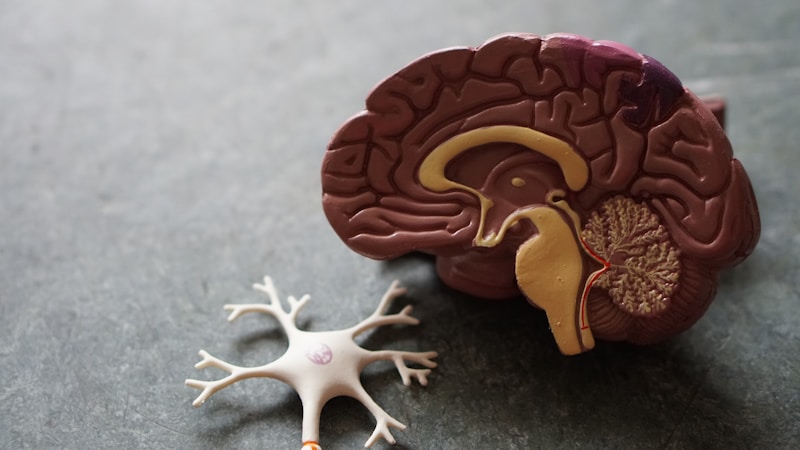
Two Brains, One Conversation
You have two brains. The one inside your skull gets all the attention, but the one lining your digestive tract — known as the enteric nervous system — contains over 500 million neurons, produces more than 30 neurotransmitters, and communicates constantly with your brain through a superhighway called the vagus nerve. This bidirectional communication system, known as the gut-brain axis, means that your gut health directly influences your mental health, and your mental state directly affects your digestion.
Understanding this connection is not just academically interesting — it is practically transformative. It explains why anxiety often comes with stomach pain, why depression frequently accompanies digestive disorders, and why healing your gut can profoundly improve your mood, cognition, and emotional resilience.
The Vagus Nerve: Your Body's Information Highway
The vagus nerve is the longest cranial nerve in your body, wandering from your brainstem through your neck, chest, and abdomen. Approximately 80% of the signals traveling through this nerve flow upward — from gut to brain — while only 20% travel downward. This means your gut is telling your brain far more than your brain is telling your gut.
When your gut microbiome is healthy and your intestinal lining is intact, the signals traveling up the vagus nerve promote calm, clear thinking, and emotional stability. When your gut is inflamed, permeable, or populated by harmful microbes, those signals shift toward anxiety, depression, and cognitive impairment. Your gut bacteria literally influence which signals your brain receives.
Serotonin: The Gut's Signature Neurotransmitter
Perhaps the most striking evidence of the gut-brain connection is serotonin — the neurotransmitter most associated with happiness and emotional well-being. Approximately 90% of your body's serotonin is produced not in your brain, but in specialized cells within your intestinal lining called enterochromaffin cells. These cells respond directly to the state of your gut environment.
When your gut microbiome is balanced and your intestinal lining is healthy, serotonin production proceeds normally. When dysbiosis, inflammation, or increased permeability disrupts this environment, serotonin synthesis is impaired. This is why many people with chronic gut issues also experience mood disturbances — and why SSRIs (selective serotonin reuptake inhibitors), the most commonly prescribed antidepressants, frequently cause gastrointestinal side effects. The gut and brain are sharing the same chemical messenger.
How Gut Bacteria Shape Your Mood
Your gut microbiome does far more than digest food. Specific bacterial strains — sometimes called "psychobiotics" — produce neurotransmitters and neuroactive compounds that directly affect brain function:
- Lactobacillus species produce GABA, the brain's primary calming neurotransmitter. Low GABA is associated with anxiety and insomnia.
- Bifidobacterium species reduce cortisol levels and have been shown in clinical trials to decrease anxiety and improve stress resilience.
- Certain Streptococcus and Escherichia strains produce dopamine and norepinephrine, influencing motivation, focus, and reward-seeking behavior.
A landmark study at University College Cork demonstrated that germ-free mice — raised without any gut bacteria — showed dramatically increased anxiety-like behavior, impaired memory, and altered stress hormone levels. When beneficial bacteria were introduced, their behavior and brain chemistry normalized. While human biology is more complex, the principle holds: your gut bacteria are active participants in your emotional and cognitive life.
Inflammation: The Common Thread
Chronic, low-grade inflammation is the mechanism that most directly links gut dysfunction to brain dysfunction. When the intestinal barrier is compromised — as in leaky gut syndrome — bacterial fragments called lipopolysaccharides (LPS) enter the bloodstream and trigger systemic inflammation. These inflammatory molecules can cross the blood-brain barrier, activating brain immune cells called microglia and promoting neuroinflammation.
Neuroinflammation has been implicated in virtually every major mental health and neurological condition: depression, anxiety, ADHD, autism spectrum disorders, Alzheimer's disease, and Parkinson's disease. Researchers at Johns Hopkins found that patients with inflammatory bowel disease had significantly higher rates of anxiety and depression — and that treating the gut inflammation often improved mental health symptoms even without psychiatric medication.
Stress Flows Both Ways
The gut-brain axis is bidirectional, which means psychological stress directly damages gut health. When you experience chronic stress, your body releases cortisol, which loosens tight junctions in the intestinal wall, reduces blood flow to the digestive tract, slows motility, and shifts the microbiome toward less favorable compositions. This creates a vicious cycle: stress damages the gut, the damaged gut sends distress signals to the brain, and those signals amplify the stress response.
This is why people under chronic stress often develop digestive problems — and why people with chronic digestive problems often develop anxiety and depression. Breaking this cycle requires addressing both ends simultaneously.
Practical Steps to Support Your Gut-Brain Axis
The science is clear: if you want to improve your mental health, start with your gut. Here are evidence-based strategies:
Feed your microbiome well. A diverse, fiber-rich diet with plenty of vegetables, fruits, legumes, and fermented foods supports the bacterial strains that produce calming neurotransmitters. Eliminate processed foods and refined sugar, which feed inflammatory organisms.
Prioritize probiotic-rich foods. Fermented foods like kefir, sauerkraut, kimchi, and yogurt introduce beneficial bacteria that directly influence neurotransmitter production. Research shows that regular fermented food consumption is associated with reduced social anxiety and lower neuroticism.
Stimulate your vagus nerve. Simple practices activate the vagus nerve and improve gut-brain communication: slow, deep diaphragmatic breathing, cold water exposure, singing or humming, gargling, and meditation. Even splashing cold water on your face stimulates vagal tone.
Heal your gut lining. If you suspect increased intestinal permeability, follow a gut-repair protocol with L-glutamine, collagen, zinc carnosine, and omega-3 fatty acids. Reducing the inflammatory load crossing from your gut into your bloodstream can meaningfully improve mood and cognition.
Manage stress proactively. Daily stress management is not a luxury — it is a biological necessity for gut health. Find practices that genuinely reduce your cortisol: nature walks, journaling, breathwork, yoga, or time with supportive people. Consistency matters more than intensity.
Protect your sleep. Sleep deprivation alters gut microbiome composition within 48 hours and increases intestinal permeability. Aim for seven to nine hours of quality sleep, maintain consistent sleep and wake times, and create a dark, cool sleeping environment.
A New Paradigm for Mental Wellness
The gut-brain connection represents a fundamental shift in how we understand mental health. Rather than viewing anxiety, depression, and cognitive problems as purely brain-based disorders, emerging science reveals them as whole-body conditions with roots in the gut. This does not replace the value of therapy, medication, or traditional psychiatric care — but it adds a powerful, often-overlooked dimension to healing.
When you nourish your gut, you nourish your mind. When you calm your mind, you heal your gut. This bidirectional relationship means that every meal, every breath, and every moment of rest is an opportunity to strengthen the conversation between your two brains — and move toward the clarity, calm, and vitality you deserve.