Gut Health and Autoimmune Disease: How Intestinal Permeability Triggers Chronic Inflammation and What to Do About It
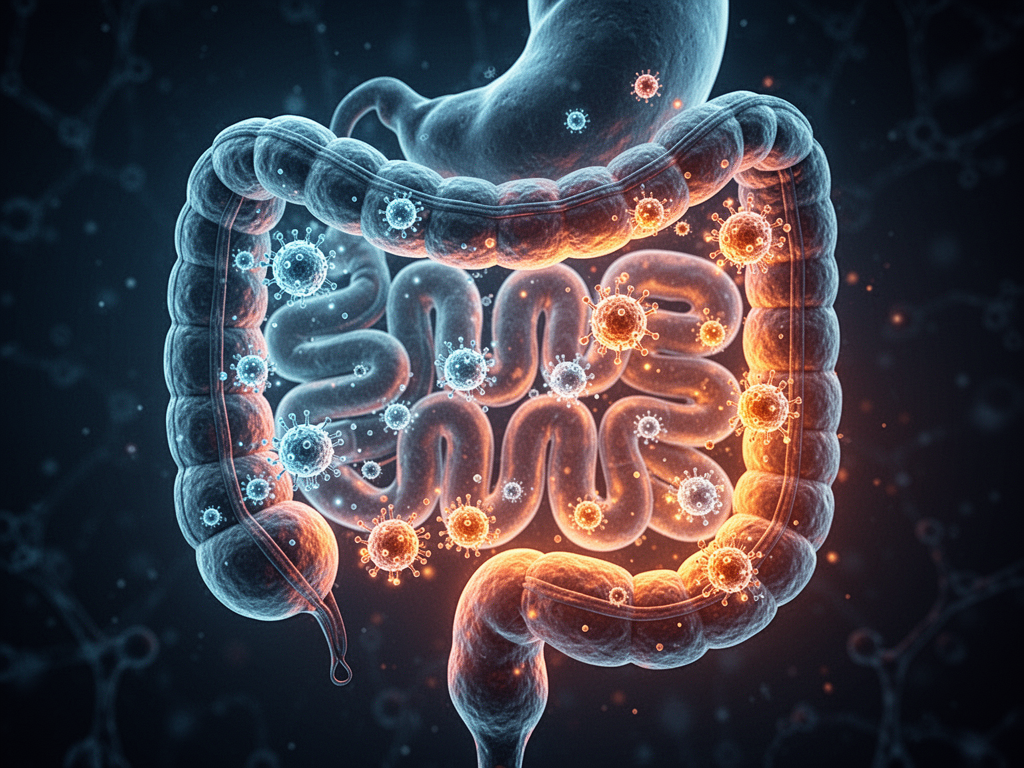
The Autoimmune Epidemic Has a Gut Problem
Autoimmune diseases are exploding worldwide. Over 80 recognized autoimmune conditions now affect an estimated 50 million Americans — and that number is climbing every year. Hashimoto's thyroiditis, rheumatoid arthritis, lupus, celiac disease, multiple sclerosis, type 1 diabetes, psoriasis, inflammatory bowel disease — the list keeps growing.
For decades, researchers have searched for the missing link: what causes the immune system to suddenly turn against the body's own tissues? The answer, according to groundbreaking research by Dr. Alessio Fasano at Harvard, lies in the gut.
His work has identified three factors that must all be present for autoimmune disease to develop: genetic susceptibility, an environmental trigger, and increased intestinal permeability — also known as leaky gut. Remove any one of those three, and the autoimmune process can be slowed, stopped, or even reversed.
This is why healing your gut is no longer optional for anyone with autoimmune disease — it's foundational.
The Leaky Gut–Autoimmune Connection: How It Works
Your Gut Barrier: The Gatekeeper of Immunity
Your intestinal lining is just one cell thick — yet it covers roughly 4,000 square feet of surface area. This single-cell barrier has the extraordinary job of absorbing nutrients while simultaneously blocking toxins, pathogens, and undigested food particles from entering your bloodstream.
When this barrier is compromised — through diet, stress, infections, medications, or environmental toxins — it becomes "leaky." Substances that should stay inside the gut escape into the bloodstream, where the immune system encounters them.
Molecular Mimicry: When Your Immune System Gets Confused
Here's where autoimmunity enters the picture. Many of the proteins that leak through a damaged gut wall have molecular structures that closely resemble proteins found in your own tissues. This is called molecular mimicry.
Your immune system creates antibodies to attack these foreign invaders — but because they look so similar to your own tissue proteins, those same antibodies can cross-react and attack your body. For example:
- Gluten proteins mimic thyroid tissue → Hashimoto's thyroiditis
- Bacterial proteins mimic joint cartilage → Rheumatoid arthritis
- Dairy proteins (casein) mimic pancreatic beta cells → Type 1 diabetes
- Klebsiella bacteria mimic spinal joint tissue → Ankylosing spondylitis
Zonulin: The Master Regulator
Dr. Fasano's most significant discovery was zonulin — a protein produced by intestinal cells that controls the tight junctions between gut lining cells. When zonulin levels are elevated, tight junctions open, and the gut becomes permeable.
Two primary triggers cause zonulin release:
- Gluten — Gliadin (a component of gluten) triggers zonulin release in everyone, but the effect is dramatically amplified in people with genetic susceptibility
- Gut bacteria imbalances (dysbiosis) — Certain pathogenic bacteria stimulate zonulin production
Elevated zonulin levels have been found in virtually every autoimmune condition studied, making it a crucial biomarker for both diagnosis and treatment monitoring.
Which Autoimmune Diseases Are Linked to Leaky Gut?
The research connecting intestinal permeability to autoimmune disease is now extensive. Published studies have linked leaky gut to:
- Hashimoto's thyroiditis and Graves' disease — The most common autoimmune conditions, both strongly associated with intestinal permeability and gluten sensitivity
- Rheumatoid arthritis (RA) — Gut dysbiosis and increased permeability are found in early RA, often before joint symptoms appear
- Celiac disease — The "poster child" for the gut-autoimmune connection; gluten directly triggers the autoimmune attack on the small intestine
- Type 1 diabetes — Increased intestinal permeability has been observed in pre-diabetic children before the autoimmune destruction of pancreatic cells begins
- Multiple sclerosis (MS) — Studies show altered gut bacteria and increased permeability in MS patients
- Systemic lupus erythematosus (SLE) — Bacterial translocation from a leaky gut contributes to the chronic inflammation seen in lupus
- Psoriasis and psoriatic arthritis — The gut-skin axis plays a major role; many psoriasis patients show signs of intestinal permeability
- Inflammatory bowel disease (Crohn's and ulcerative colitis) — Both involve a fundamental breakdown of the intestinal barrier
- Ankylosing spondylitis — Strong connections to gut bacteria, particularly Klebsiella species
What Damages the Gut and Triggers Autoimmunity?
Multiple factors converge to damage the intestinal barrier and set the stage for autoimmune disease:
Dietary Triggers
- Gluten — Directly stimulates zonulin production, opening tight junctions
- Refined sugar and processed foods — Feed pathogenic bacteria and promote inflammation
- Industrial seed oils — High omega-6 content drives inflammatory pathways
- Alcohol — Directly damages intestinal cells and disrupts microbial balance
- Food additives — Emulsifiers like polysorbate 80 and carboxymethylcellulose have been shown to erode the mucus layer protecting the gut lining
Medications
- NSAIDs (ibuprofen, aspirin, naproxen) — Directly increase intestinal permeability, even after a single dose
- Antibiotics — Devastate beneficial gut bacteria, creating dysbiosis
- Proton pump inhibitors — Alter gut pH and bacterial composition
- Oral contraceptives — Can contribute to gut inflammation and Candida overgrowth
Lifestyle and Environmental Factors
- Chronic psychological stress — Increases cortisol, which directly weakens the gut barrier
- Sleep deprivation — Just two nights of poor sleep can measurably increase intestinal permeability
- Environmental toxins — Pesticides (especially glyphosate), heavy metals, and BPA all damage the gut lining
- Chronic infections — H. pylori, parasites, and viral infections can trigger or worsen intestinal permeability
How to Heal Your Gut to Manage (or Prevent) Autoimmune Disease
The exciting news from the research is this: because leaky gut is a modifiable factor, healing the intestinal barrier can meaningfully impact the course of autoimmune disease. Here's a comprehensive protocol:
Step 1: Remove the Triggers
- Eliminate gluten completely — This is non-negotiable for anyone with autoimmune disease. Even "a little" gluten triggers zonulin release and can sustain intestinal permeability for weeks
- Consider a full elimination diet (AIP) — The Autoimmune Protocol removes grains, legumes, dairy, eggs, nuts, seeds, nightshades, refined sugar, alcohol, and food additives for 30–90 days. Foods are then reintroduced one at a time to identify personal triggers
- Minimize NSAID use — Switch to natural anti-inflammatories like turmeric (curcumin), omega-3 fish oil, and boswellia
- Reduce toxic exposures — Choose organic produce, filter your water, and minimize plastic use
Step 2: Restore Digestive Function
- Digestive enzymes — Take a broad-spectrum enzyme with meals to ensure complete protein breakdown (incompletely digested proteins are a major trigger for molecular mimicry)
- Betaine HCl — Many people with autoimmune disease have low stomach acid; supplementing supports proper digestion and pathogen defense
- Bitters and apple cider vinegar — Stimulate natural digestive secretions before meals
Step 3: Repair the Gut Lining
- L-glutamine — 5–15g daily; the primary fuel source for intestinal epithelial cells
- Collagen peptides or bone broth — Provide the amino acids (glycine, proline, hydroxyproline) needed to rebuild the gut lining
- Zinc carnosine — 75 mg twice daily; has been shown in clinical trials to reduce intestinal permeability
- Deglycyrrhizinated licorice (DGL) — Stimulates mucus production that protects the gut lining
- Vitamin D — Plays a critical role in tight junction integrity; most autoimmune patients are severely deficient. Target blood levels of 60–80 ng/mL
- Omega-3 fatty acids — 2–4g of EPA/DHA daily to reduce gut and systemic inflammation
Step 4: Reinoculate with Beneficial Bacteria
- Multi-strain probiotic — Choose formulas with well-researched strains for immune modulation: Lactobacillus rhamnosus GG, Bifidobacterium infantis 35624, and Saccharomyces boulardii
- Fermented foods — Introduce gradually: sauerkraut, kimchi, coconut yogurt, and water kefir (avoid dairy kefir until you know you tolerate dairy)
- Prebiotic-rich foods — Once tolerated, include cooked garlic, onions, leeks, asparagus, and green bananas to feed beneficial bacteria
Step 5: Rebalance Your Lifestyle
- Stress management — Daily practice of meditation, yoga, deep breathing, or time in nature. Chronic stress is one of the most underestimated drivers of both leaky gut and autoimmune flares
- Sleep optimization — Aim for 8–9 hours of quality sleep; this is when gut repair happens most actively
- Gentle, regular exercise — Walking, swimming, yoga, and tai chi support gut motility and reduce inflammation. Avoid overtraining, which can increase intestinal permeability
- Social connection and purpose — Emerging research shows that loneliness and lack of purpose worsen inflammatory markers
Testing Your Gut Health If You Have Autoimmune Disease
If you have (or suspect) an autoimmune condition, these tests can provide valuable insights:
- Zonulin blood test — Measures intestinal permeability directly
- Comprehensive stool analysis (GI-MAP) — Evaluates beneficial and pathogenic bacteria, yeast, parasites, digestive function, and inflammation markers
- Food sensitivity testing (IgG/IgA panels) — Identifies specific foods triggering immune reactions through a leaky gut
- Lactulose/mannitol permeability test — A functional test that directly measures how "leaky" your gut is
- Vitamin D, ferritin, B12, and zinc levels — Nutrient deficiencies are both a cause and consequence of leaky gut
Can You Reverse Autoimmune Disease by Healing Your Gut?
This is the question everyone wants answered — and the honest answer is: it depends.
For some conditions (like Hashimoto's in its early stages, or autoimmune conditions triggered primarily by dietary factors), many patients have achieved full remission through gut healing protocols. Published case studies and clinical reports document dramatic reductions in antibody levels and symptom resolution.
For more advanced autoimmune diseases, healing the gut may not fully reverse the condition — but it can significantly:
- Reduce the frequency and severity of flares
- Lower autoimmune antibody levels
- Decrease reliance on immunosuppressive medications
- Improve energy, mental clarity, and quality of life
- Prevent development of additional autoimmune conditions (people with one autoimmune disease are at high risk for developing others)
The Bottom Line
The science is clear: leaky gut is a prerequisite for autoimmune disease. While you can't change your genetics, you absolutely can repair your intestinal barrier, reduce the environmental triggers that drive permeability, and modulate your immune response through targeted nutrition and lifestyle changes.
If you have an autoimmune condition, healing your gut isn't an alternative to medical treatment — it's a foundational complement to it. Work with a healthcare provider who understands the gut-immune connection, get tested, and commit to a comprehensive gut-healing protocol. The results can be life-changing.