15 Warning Signs and Symptoms of Leaky Gut Syndrome You Shouldn't Ignore
What Is Leaky Gut Syndrome?
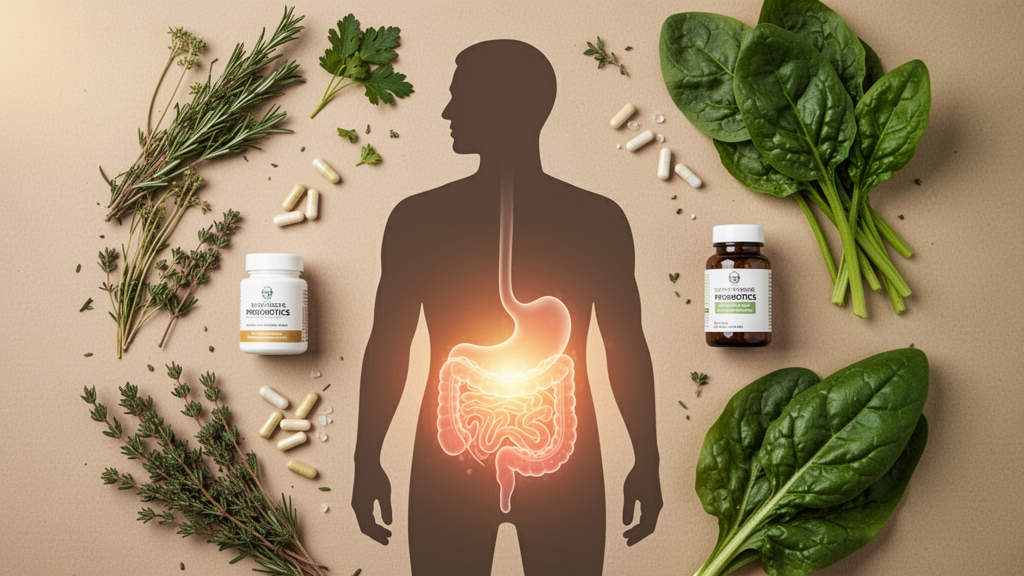
Leaky gut syndrome, also known as increased intestinal permeability, is a condition where the lining of the small intestine becomes damaged. This damage allows undigested food particles, toxins, and bacteria to "leak" through the intestinal wall and enter the bloodstream. When this happens, your immune system recognizes these foreign invaders and mounts an inflammatory response that can trigger a cascade of symptoms throughout your entire body.
The gut lining is designed to act as a selective barrier — absorbing nutrients while keeping harmful substances out. When the tight junctions between intestinal cells loosen, the barrier becomes compromised. Understanding the symptoms of leaky gut syndrome is the first step toward healing, because many of these signs are often attributed to other conditions or simply dismissed as "normal."
Digestive Symptoms of Leaky Gut Syndrome
1. Chronic Bloating and Gas
One of the earliest and most common symptoms of leaky gut syndrome is persistent bloating, especially after meals. When the intestinal barrier is compromised, partially digested food particles interact with gut bacteria in ways they shouldn't, producing excessive gas. If you notice that bloating occurs regardless of what you eat — not just after heavy meals or specific trigger foods — leaky gut could be the underlying cause.
2. Irritable Bowel Symptoms (Diarrhea and Constipation)
Alternating between diarrhea and constipation is a hallmark sign of intestinal permeability issues. The inflammation caused by leaked particles disrupts normal peristalsis — the wave-like muscle contractions that move food through your digestive tract. Some people experience chronic diarrhea as the gut tries to flush out irritants, while others develop constipation as inflammation slows everything down. Many people cycle between both.
3. Food Sensitivities and Intolerances
Developing new food sensitivities as an adult is one of the strongest indicators of leaky gut syndrome. When undigested food proteins enter the bloodstream through a permeable gut wall, your immune system creates antibodies against them. Over time, you may find yourself reacting to foods you previously enjoyed without issue — dairy, gluten, eggs, soy, and corn are among the most common new sensitivities linked to leaky gut.
4. Abdominal Pain and Cramping
Persistent abdominal discomfort that doesn't seem tied to a specific illness or food is another red flag. The chronic low-grade inflammation associated with increased intestinal permeability can cause ongoing cramping, tenderness, or a general feeling of unease in your midsection. This pain may worsen after eating and often doesn't respond well to over-the-counter digestive remedies.
Immune System and Inflammatory Symptoms
5. Frequent Illness and Weakened Immunity
Approximately 70–80% of your immune system resides in your gut. When the intestinal barrier is compromised, your immune system is constantly in "attack mode," fighting off particles that shouldn't be in your bloodstream. This chronic immune activation leaves fewer resources to fight actual pathogens like cold and flu viruses. If you find yourself getting sick more often than usual or taking longer to recover, your gut health may be the root cause.
6. Autoimmune Conditions
Research published in journals like Frontiers in Immunology has established a strong connection between increased intestinal permeability and autoimmune diseases. Conditions such as Hashimoto's thyroiditis, rheumatoid arthritis, lupus, celiac disease, and type 1 diabetes have all been linked to leaky gut. The theory of molecular mimicry suggests that leaked proteins resemble the body's own tissues, causing the immune system to mistakenly attack healthy cells.
7. Seasonal Allergies and Histamine Intolerance
If your seasonal allergies have become progressively worse over the years, or if you've developed histamine intolerance symptoms like flushing, headaches, and nasal congestion after eating fermented or aged foods, leaky gut may be contributing. A compromised gut barrier increases histamine load in the body and reduces your capacity to break it down efficiently.
Skin-Related Symptoms
8. Acne, Eczema, and Rosacea
The gut-skin axis is a well-documented connection in dermatological research. When toxins and inflammatory molecules escape through a leaky gut, they can trigger skin flare-ups far from the digestive tract. Acne that doesn't respond to topical treatments, eczema patches that come and go without clear triggers, and rosacea are all commonly associated with intestinal permeability issues. Many dermatologists now recommend gut-healing protocols alongside traditional skin treatments.
9. Unexplained Rashes and Hives
Random skin rashes or hives that appear without an obvious allergen exposure may be your body's response to systemic inflammation originating in the gut. These eruptions are often the immune system's visible reaction to substances that have crossed the intestinal barrier.
Neurological and Mental Health Symptoms
10. Brain Fog and Difficulty Concentrating
The gut-brain axis is a bidirectional communication highway between your digestive system and your brain. When inflammatory cytokines from a leaky gut reach the brain, they can cause what many patients describe as "brain fog" — difficulty concentrating, memory lapses, mental sluggishness, and a feeling of cloudiness that doesn't improve with rest or caffeine. This is one of the most frustrating symptoms because it affects daily productivity and quality of life.
11. Anxiety and Depression
Approximately 90% of the body's serotonin — often called the "happiness neurotransmitter" — is produced in the gut. When the intestinal environment is disrupted by increased permeability, serotonin production can be significantly affected. Studies have found that people with leaky gut have higher rates of anxiety and depression, and that healing the gut lining often leads to meaningful improvements in mood and mental well-being.
Systemic and Whole-Body Symptoms
12. Chronic Fatigue
Feeling exhausted despite adequate sleep is one of the most reported symptoms among people with leaky gut syndrome. The constant immune activation drains your body's energy reserves. Additionally, nutrient malabsorption — another consequence of a damaged gut lining — means your body may not be getting the vitamins and minerals it needs to produce energy efficiently, particularly B vitamins, iron, and magnesium.
13. Joint Pain and Muscle Aches
Systemic inflammation from leaky gut doesn't stay confined to the digestive system. Inflammatory molecules can settle in joints and muscle tissue, causing pain, stiffness, and swelling that mimics conditions like fibromyalgia or early-stage arthritis. If your joint pain doesn't have a clear orthopedic explanation and tends to fluctuate with your diet, leaky gut should be investigated.
14. Nutritional Deficiencies
Even if you eat a nutrient-dense diet, a damaged gut lining may prevent proper absorption of essential vitamins and minerals. Common deficiencies associated with leaky gut include vitamin D, vitamin B12, iron, zinc, and magnesium. These deficiencies compound other symptoms — low iron worsens fatigue, low magnesium increases anxiety, and low zinc impairs immune function further.
15. Sugar Cravings and Weight Fluctuations
A disrupted gut microbiome — which often accompanies leaky gut — can influence your cravings and metabolism. Harmful bacteria and yeast (particularly Candida) thrive on sugar and can send signals to your brain that increase sugar cravings. Meanwhile, chronic inflammation can disrupt insulin sensitivity and cortisol regulation, leading to unexplained weight gain, especially around the midsection, or difficulty maintaining a healthy weight.
What to Do If You Recognize These Symptoms
If you identify with several of these symptoms, the good news is that leaky gut syndrome is a condition that responds well to targeted lifestyle and dietary changes. Here are the first steps you should consider:
- Eliminate inflammatory foods: Gluten, refined sugar, processed foods, alcohol, and dairy are the most common triggers that worsen intestinal permeability.
- Add gut-healing foods: Bone broth, fermented vegetables, collagen-rich foods, and omega-3 fatty acids support intestinal repair.
- Manage stress: Chronic stress directly increases intestinal permeability through cortisol's effect on tight junctions.
- Consider targeted supplements: L-glutamine, zinc carnosine, probiotics, and digestive enzymes are among the most evidence-backed supplements for gut repair.
- Work with a practitioner: A functional medicine doctor or integrative health practitioner can run tests like the lactulose-mannitol test or zonulin blood test to confirm increased intestinal permeability.
The Bottom Line
Leaky gut syndrome is not just a digestive issue — it's a whole-body condition that can manifest as skin problems, brain fog, autoimmune disease, chronic fatigue, and much more. The symptoms are wide-ranging because the gut is connected to virtually every system in your body. Recognizing these warning signs is the critical first step. From there, a targeted healing protocol that addresses diet, stress, and supplementation can help restore your intestinal barrier and dramatically improve your overall health.
Remember: healing takes time. Most functional medicine practitioners suggest a minimum of 3–6 months of consistent effort to see significant improvements in intestinal permeability. Be patient with the process and trust that your body has a remarkable capacity to heal when given the right support.