The Ultimate Guide to Foods That Heal Leaky Gut: What to Eat and What to Avoid
Why Food Matters for Leaky Gut
When it comes to healing leaky gut, food is arguably the most powerful tool at your disposal. Every meal you eat either contributes to repairing your intestinal lining or further damages it. The foods you choose directly influence the integrity of the tight junctions between your intestinal cells, the diversity of your gut microbiome, and the level of inflammation throughout your body.
Unlike medications that mask symptoms, a gut-healing diet addresses the root cause of increased intestinal permeability. Research consistently shows that dietary changes alone can significantly reduce markers of intestinal permeability within weeks. This guide covers the best foods for leaky gut repair, the worst offenders to eliminate, and how to structure your meals for maximum healing.
Top Foods That Heal Leaky Gut
1. Bone Broth
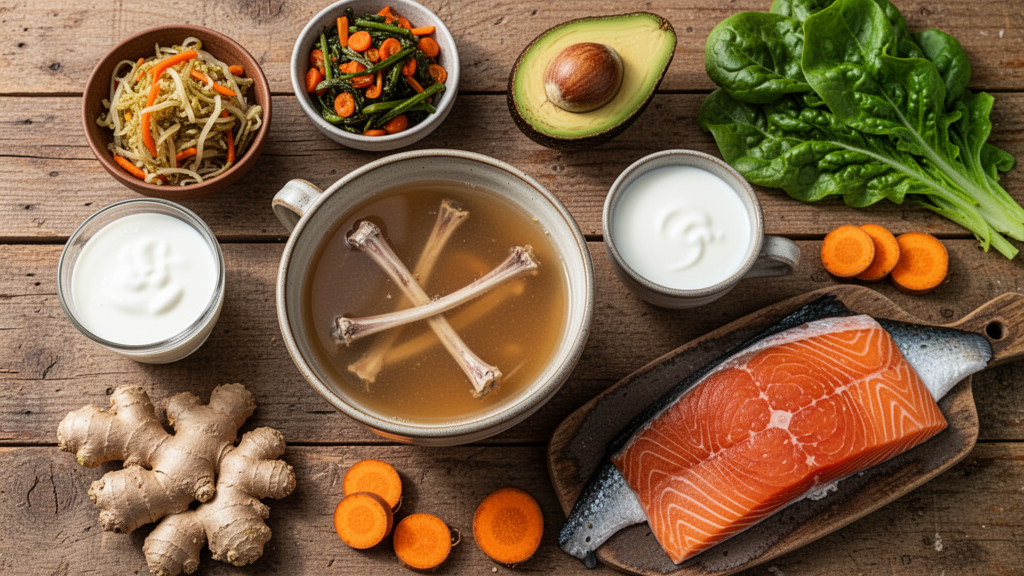
Bone broth is often called the gold standard of gut-healing foods, and for good reason. When animal bones are simmered for 12–24 hours, they release collagen, gelatin, glycine, proline, and glutamine — all of which play direct roles in repairing the intestinal lining. Gelatin, in particular, helps seal the gaps in the gut wall by supporting the mucosal layer that protects intestinal cells.
For maximum benefit, aim for 1–2 cups of homemade bone broth daily. Use bones from grass-fed beef, pasture-raised chicken, or wild-caught fish. Slow-cook them with apple cider vinegar (which helps extract minerals), onions, garlic, and herbs for 18–24 hours. If making your own isn't practical, look for high-quality store-bought versions that list collagen or gelatin on the label and contain no added sugars or preservatives.
2. Fermented Foods
Fermented foods are nature's probiotics. They introduce beneficial bacteria directly into your gut, helping to restore microbial balance — a critical component of healing leaky gut. The best fermented foods for gut repair include:
- Sauerkraut: Raw, unpasteurized sauerkraut is rich in Lactobacillus bacteria and provides fiber that feeds beneficial gut flora.
- Kimchi: This Korean staple combines fermented vegetables with anti-inflammatory spices like ginger and garlic.
- Kefir: A fermented dairy (or coconut) drink that contains up to 61 different strains of bacteria and yeasts — far more diverse than most probiotic supplements.
- Kombucha: A fermented tea that provides organic acids, B vitamins, and beneficial bacteria. Choose low-sugar varieties.
- Miso: This fermented soybean paste is rich in beneficial enzymes and probiotics. Use it in soups or as a salad dressing base.
Start slowly with fermented foods — especially if you have significant gut damage. Begin with 1–2 tablespoons per day and gradually increase over several weeks to avoid overwhelming your system.
3. Omega-3 Rich Fish
Wild-caught fatty fish like salmon, sardines, mackerel, and anchovies are powerful anti-inflammatory foods that support gut healing. Omega-3 fatty acids (EPA and DHA) have been shown to strengthen the intestinal barrier by enhancing tight junction protein expression. A 2017 study published in the International Journal of Molecular Sciences found that omega-3 supplementation significantly reduced markers of intestinal permeability.
Aim for 2–3 servings of wild-caught fatty fish per week. If you don't enjoy fish, a high-quality fish oil or algae-based omega-3 supplement is a reasonable alternative.
4. Collagen-Rich Foods and Supplements
Collagen is the most abundant protein in the human body and a key structural component of the gut lining. As we age, collagen production naturally decreases, which may contribute to intestinal permeability. Foods and supplements rich in collagen provide the amino acids — particularly glycine, proline, and hydroxyproline — needed to rebuild and maintain the gut wall.
Beyond bone broth, you can boost collagen intake through collagen peptide powder (easily added to smoothies, coffee, or soups), chicken skin, pork skin, and slow-cooked meats with connective tissue.
5. Coconut Products
Coconut in all its forms — coconut oil, coconut butter, coconut milk, and coconut cream — is exceptionally gut-friendly. Coconut oil contains lauric acid and caprylic acid, medium-chain fatty acids with antimicrobial properties that help control harmful bacteria and yeast overgrowth (particularly Candida) without damaging beneficial flora. Coconut is also easy to digest, making it an excellent fat source for those with compromised digestion.
6. Vegetables (Cooked, Not Raw)
Vegetables provide essential vitamins, minerals, and fiber that support gut repair. However, when healing leaky gut, how you prepare vegetables matters as much as which ones you choose. Cooked vegetables are significantly easier to digest than raw ones because heat breaks down tough cellulose fibers that can irritate an already damaged gut lining.
The best gut-healing vegetables include:
- Sweet potatoes: Rich in beta-carotene, which supports mucosal immunity in the gut.
- Squash and zucchini: Gentle on the digestive system and rich in vitamins A and C.
- Carrots: Cooked carrots are soothing to the gut and provide antioxidants.
- Leafy greens (cooked): Spinach, Swiss chard, and bok choy provide magnesium and folate essential for cellular repair.
- Asparagus: A prebiotic food that feeds beneficial bacteria, particularly Bifidobacterium.
7. Ginger and Turmeric
These two spices are anti-inflammatory powerhouses. Ginger contains gingerols that reduce intestinal inflammation and improve motility, while turmeric's active compound curcumin has been shown in multiple studies to support tight junction integrity and reduce inflammatory cytokines in the gut. Use them liberally in cooking, teas, and smoothies. Pair turmeric with black pepper to increase curcumin absorption by up to 2,000%.
8. Sprouted and Soaked Seeds
Flax seeds, chia seeds, hemp seeds, and pumpkin seeds — when properly prepared — provide fiber, zinc, and omega-3s that support gut healing. Sprouting or soaking seeds reduces their phytic acid and lectin content, both of which can aggravate a leaky gut. Chia seeds are particularly beneficial because they form a gel-like coating when soaked, which soothes the intestinal lining as it passes through.
Foods to Avoid with Leaky Gut
Gluten
Gluten is the most well-studied dietary trigger of intestinal permeability. Research by Dr. Alessio Fasano at Harvard has shown that gluten triggers the release of zonulin — a protein that directly opens the tight junctions in the intestinal wall — in all humans, not just those with celiac disease. For anyone healing leaky gut, eliminating gluten is non-negotiable. This means avoiding wheat, barley, rye, spelt, and most oats (unless certified gluten-free).
Refined Sugar and Artificial Sweeteners
Refined sugar feeds harmful bacteria and yeast in the gut, promoting dysbiosis — the imbalance of gut flora that worsens intestinal permeability. Artificial sweeteners like aspartame, sucralose, and saccharin are equally problematic; studies have shown they alter gut microbiome composition and increase inflammatory markers. Replace these with small amounts of raw honey, monk fruit, or stevia.
Processed and Ultra-Processed Foods
Additives commonly found in processed foods — including emulsifiers (polysorbate 80, carboxymethylcellulose), artificial colors, and preservatives — have been shown to directly damage the intestinal mucosal layer and increase permeability. A landmark study in Nature demonstrated that common food emulsifiers at concentrations found in processed foods caused significant gut barrier disruption in both animal and human cell models.
Dairy (For Most People)
Conventional dairy, particularly from A1 casein-producing cows, can be inflammatory and difficult to digest for people with leaky gut. The protein casein and the sugar lactose both require robust digestive capacity that is often compromised in people with increased intestinal permeability. If you tolerate dairy, opt for A2 dairy, goat dairy, or sheep dairy — or fermented forms like kefir and aged cheese, which are easier to digest.
Alcohol
Alcohol is a direct intestinal irritant. Even moderate consumption has been shown to increase intestinal permeability by disrupting tight junction proteins and promoting bacterial overgrowth in the small intestine (SIBO). During the active gut-healing phase, eliminating alcohol entirely is strongly recommended.
Seed Oils and Trans Fats
Industrial seed oils — soybean, canola, corn, sunflower, and safflower — are high in omega-6 fatty acids, which promote inflammation when consumed in excess. Trans fats are even worse, directly damaging cell membranes throughout the body, including the gut lining. Cook with coconut oil, olive oil, ghee, or avocado oil instead.
A Sample Day of Gut-Healing Meals
Here's what a typical day of eating for leaky gut repair might look like:
- Morning: Warm bone broth with ginger and turmeric, followed by a smoothie with collagen peptides, blueberries, spinach, and coconut milk.
- Lunch: Wild-caught salmon over steamed sweet potato and sautéed bok choy, drizzled with olive oil and lemon.
- Snack: Soaked chia seed pudding with coconut cream and a small handful of pumpkin seeds.
- Dinner: Slow-cooked chicken thighs with roasted carrots, zucchini, and asparagus. A side of sauerkraut.
- Evening: Golden milk (warm coconut milk with turmeric, ginger, cinnamon, and a pinch of black pepper).
How Long Does It Take for Food to Heal Leaky Gut?
Dietary changes are not an overnight fix, but they are remarkably effective over time. Most people notice improvements in digestive symptoms within 2–4 weeks of adopting a gut-healing diet. More systemic symptoms like brain fog, joint pain, and skin issues typically improve within 2–3 months. Full gut lining repair can take 3–6 months or longer, depending on the severity of the damage and the consistency of your dietary choices.
The key is consistency. Your gut lining cells regenerate every 3–5 days, which means every meal is an opportunity to provide the building blocks for repair. Stick with anti-inflammatory, nutrient-dense whole foods, and your gut will reward you with improved digestion, stronger immunity, clearer skin, and better mental clarity.
Final Thoughts
Healing leaky gut through food is not about perfection or deprivation — it's about making intentional choices that support your body's natural repair processes. Focus on adding gut-healing foods like bone broth, fermented vegetables, omega-3 rich fish, and collagen before stressing about elimination. As your gut heals, you may find that some foods you couldn't tolerate before become enjoyable again. Listen to your body, be patient, and trust the process.